
Childhood Eating Habits and the Rise of Obesity in India
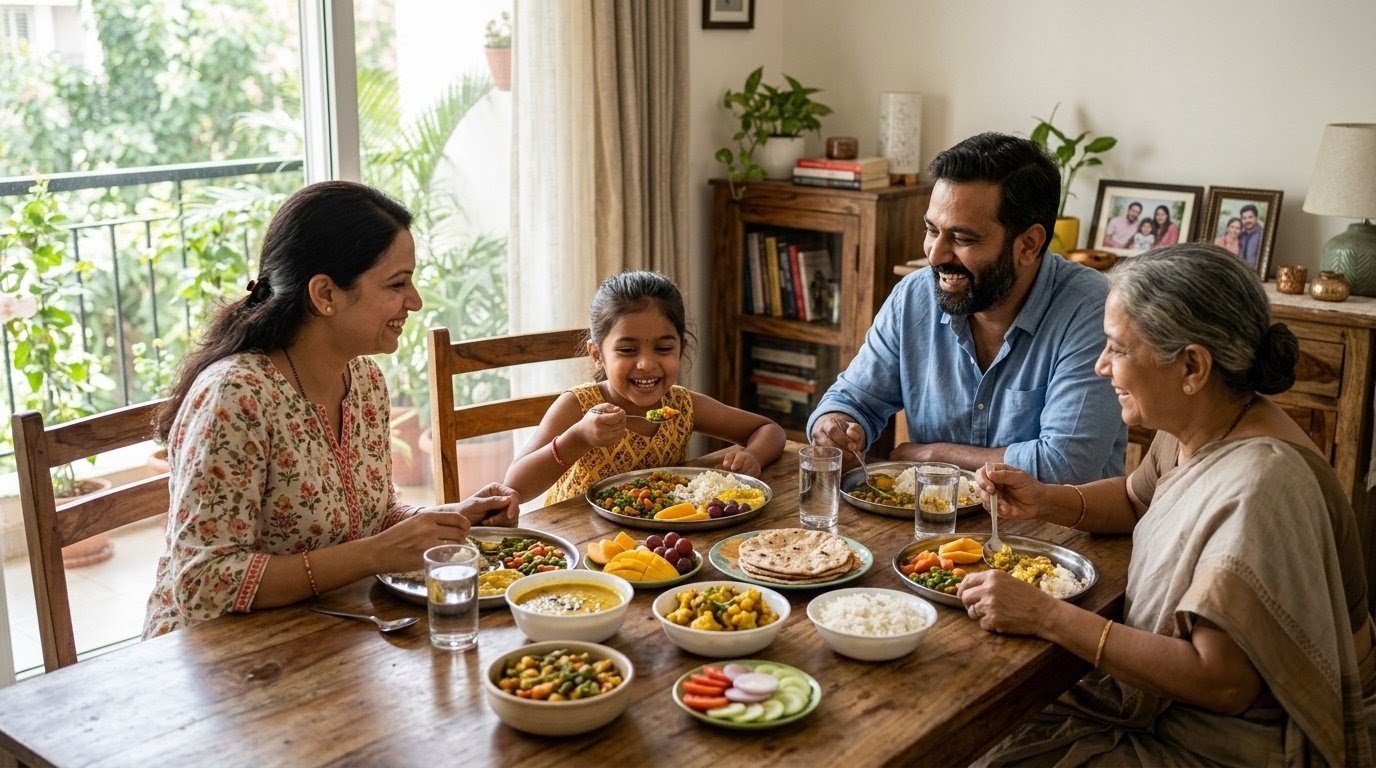
Childhood Eating Habits and the Rise of Obesity in India: Is Your Child's Daily Routine Putting Their Health at Risk?
Children today are growing up in a world filled with chips, sugary drinks, fast food, and long hours in front of mobile phones and televisions. While these habits may seem harmless, they can quietly lead to a serious health problem—childhood obesity.
Across India, more children are becoming overweight than ever before. This is not simply about appearance. Childhood obesity can affect a child's health, confidence, learning, and future well-being.
The encouraging news is that healthy habits started at home can make a lifelong difference.
Let's understand why childhood eating habits matter and how families can help children grow up healthy.
What Is Childhood Obesity?
Childhood obesity happens when a child has excess body fat that may affect their health. Doctors assess growth using age- and sex-specific growth charts along with other health measurements, rather than relying on weight alone.
A healthy weight helps children:
- Grow and develop properly
- Stay active
- Build strong bones and muscles
- Reduce the risk of future health problems
Why Is Childhood Obesity Increasing in India?
Several lifestyle changes have contributed to the growing number of overweight children.
Common reasons include:
- Frequent consumption of junk food
- Sugary drinks and packaged snacks
- Large portion sizes
- Less outdoor play
- Long screen time
- Lack of regular exercise
- Irregular meal timings
- Poor sleep habits
These factors together can lead to unhealthy weight gain over time.
How Do Childhood Eating Habits Affect Health?
Children learn eating habits from the people around them.
When unhealthy foods become a daily routine, children may consume more calories than their bodies need.
Healthy eating habits help children:
- Maintain a healthy weight
- Improve concentration in school
- Build stronger immunity
- Support healthy growth
- Reduce the risk of obesity and future health problems
- Small daily choices often have the biggest long-term impact.
Signs That a Child May Be Developing Unhealthy Eating Habits
Parents should pay attention if a child:
- Eats fast food several times a week
- Drinks sugary beverages every day
- Snacks constantly while watching screens
- Avoids fruits and vegetables
- Rarely plays outdoors
- Gains weight rapidly
- Gets tired easily during physical activity
These signs do not always mean obesity, but they may indicate a need for healthier habits.
Why Should Parents Take Childhood Obesity Seriously?
Children with obesity are more likely to develop health problems both during childhood and later in life.
These may include:
- Type 2 Diabetes
- High blood pressure
- Fatty liver disease
- Sleep problems
- Joint pain
- Low self-confidence
- Emotional stress
Early prevention is often easier than treating obesity later.
Healthy Eating Habits Every Child Should Learn
Parents play the biggest role in building healthy routines.
Encourage children to:
- Eat breakfast every day
- Include fruits and vegetables in meals
- Choose whole grains whenever possible
- Drink more water instead of sugary drinks
- Eat homemade meals more often
- Avoid frequent fast food
- Eat slowly and stop when comfortably full
Healthy eating does not mean avoiding favourite foods completely. It means enjoying them occasionally while following a balanced diet most of the time.
The Importance of Physical Activity
Healthy eating alone is not enough.
Children should spend time being physically active every day through activities such as:
- Outdoor games
- Cycling
- Running
- Swimming
- Dancing
- Playing sports
Reducing screen time and encouraging active play supports both physical and mental health.
Can Childhood Obesity Continue into Adulthood?
Yes.
Children with obesity are more likely to remain overweight as adults, increasing the risk of conditions such as Type 2 Diabetes, heart disease, and high blood pressure.
Developing healthy habits early gives children the best chance of staying healthy throughout life.
What If Lifestyle Changes Are Not Enough?
Most children benefit from healthy eating, increased physical activity, and family support.
For adults living with severe obesity who have not achieved lasting results through lifestyle changes alone, doctors may consider Bariatric Surgery after a thorough medical evaluation. Bariatric surgery is not a routine treatment for children and is considered only in highly selected situations under specialist care.
When Should You Seek Medical Advice?
Consult a healthcare professional if:
- Your child gains weight rapidly.
- You are concerned about their growth or eating habits.
- They become less active than before.
- They have obesity-related health problems.
Early guidance helps families make healthy, practical changes.
Expert Guidance Makes a Difference
Healthy weight management begins with the right advice.
Dr. Naveen Kumar Anem, MBBS, DNB (General Surgery), FMAS, FIAGES, Laparoscopic & GI Surgeon, supports patients with obesity through evidence-based care. For adults who meet medical eligibility criteria, he provides comprehensive evaluation for advanced Bariatric Surgery and long-term weight management, while encouraging healthy lifestyle habits for the entire family.
Final Thoughts
The rise of childhood obesity in India is a growing health concern, but it is also largely preventable.
Healthy meals, active play, good sleep, and supportive family habits can help children maintain a healthy weight and reduce the risk of future diseases.
Every healthy choice made today can shape a stronger, healthier future for your child.
Why Building Healthy Habits Early Matters
✔ Supports healthy growth and development
✔ Reduces the risk of Type 2 Diabetes and heart disease
✔ Improves confidence and emotional well-being
✔ Encourages better school performance and energy levels
✔ Builds lifelong healthy eating habits
Doctor Review
Medically Reviewed by Dr. Naveen Kumar Anem
MBBS, DNB (General Surgery), FMAS, FIAGES
Laparoscopic & GI Surgeon
This article has been medically reviewed by Dr. Naveen Kumar Anem to ensure that the information is accurate, evidence-based, and easy for parents and families to understand. Our aim is to provide trustworthy healthcare information that supports healthier choices and informed decisions.