
Fibroids and Fertility: Can Fibroids Affect Pregnancy?
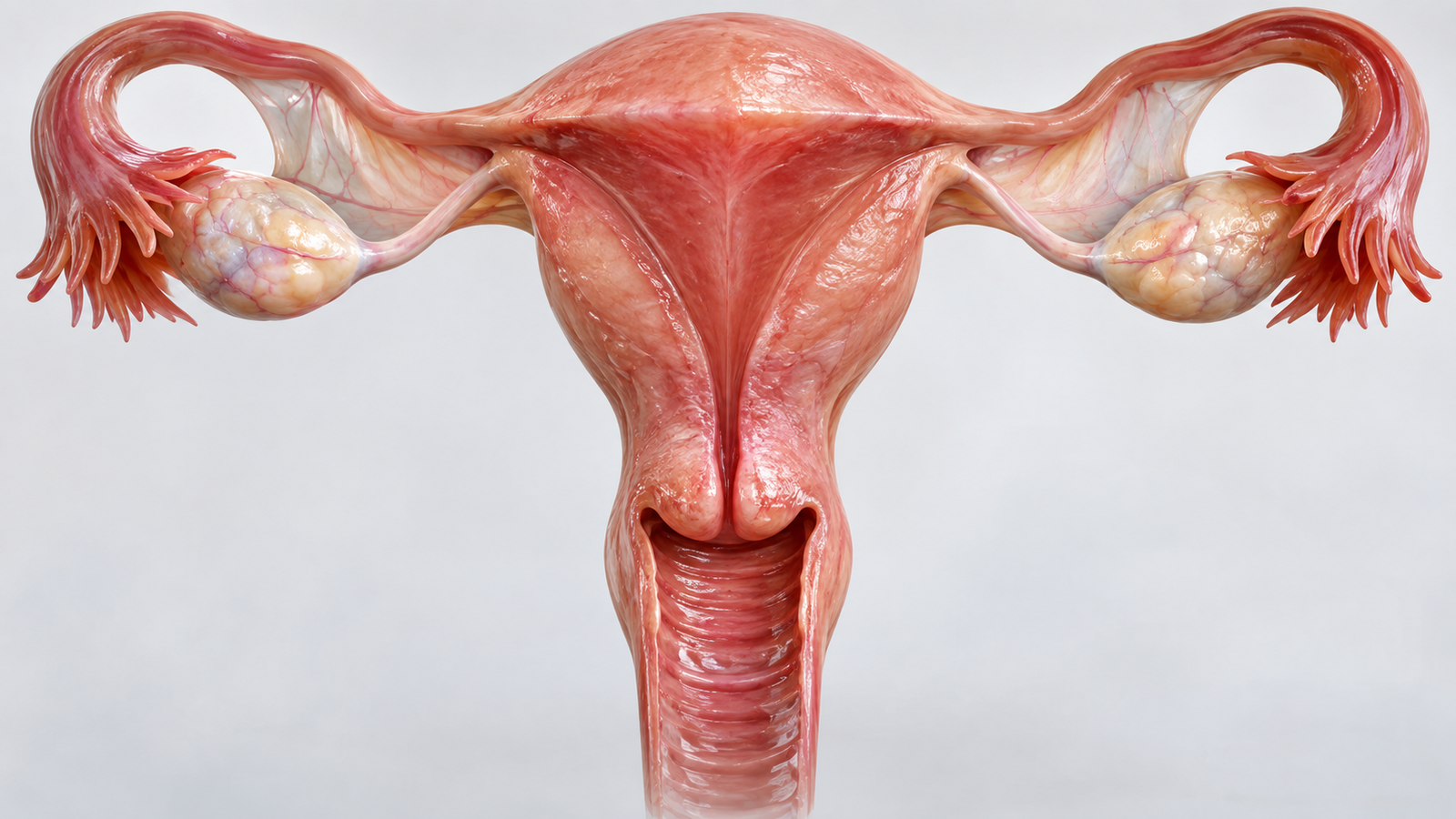
Introduction: You Have Fibroids—Does That Mean Getting Pregnant Will Be Difficult?
Hearing the words “uterine fibroids” while planning a pregnancy can immediately create worry.
Will I be able to conceive?
Could the fibroid block pregnancy?
Will it cause miscarriage?
Do I need surgery before trying for a baby?
Here is the reassuring part:
Most women with fibroids are still able to become pregnant.
Fibroids are common, non-cancerous growths of the uterus, and many cause no fertility problems at all. However, some fibroids—particularly those that grow into or distort the inside of the uterus—can sometimes interfere with conception or pregnancy.
So simply knowing that you have a fibroid is not enough.
What matters is:
Where is it? How large is it? Does it change the shape of the uterine cavity? Is it causing symptoms? Are there other possible reasons for infertility?
Let us understand fibroids and fertility clearly.
What Are Uterine Fibroids?
Uterine fibroids, also called leiomyomas or myomas, are non-cancerous growths that develop from the muscle tissue of the uterus.
They can be extremely small or large enough to change the shape of the uterus.
A woman may have:
- One fibroid
- Several fibroids
- Fibroids of different sizes
- Fibroids in different parts of the uterus
Fibroids are generally classified according to where they grow.
Submucosal Fibroids
These grow toward or into the uterine cavity, where a pregnancy normally implants.
These are often the most important type when discussing fertility.
Intramural Fibroids
These grow within the muscular wall of the uterus.
Their effect on fertility depends partly on their size and whether they distort the uterine cavity.
Subserosal Fibroids
These grow mainly toward the outside of the uterus.
They are generally less likely to interfere with fertility than fibroids affecting the inner uterine cavity. Current fertility guidance does not show clear evidence that removing uncomplicated subserosal fibroids improves fertility.
Symptoms of Uterine Fibroids
Many women have fibroids without experiencing any symptoms.
Others may develop:
- Heavy menstrual bleeding
- Periods lasting longer than usual
- Painful periods
- Bleeding between periods
- Pelvic pressure
- Lower abdominal pain
- Lower back discomfort
- Frequent urination
- Constipation
- Pain during sexual intercourse
- Abdominal enlargement
- Anaemia caused by heavy bleeding
Fibroids can also sometimes be associated with infertility or pregnancy loss, although other causes of infertility are more common.
If you have very heavy bleeding, ongoing pelvic pain, severe tiredness or difficulty becoming pregnant, medical evaluation is worthwhile.
Causes: Why Do Fibroids Develop?
Doctors do not yet know one exact cause of uterine fibroids.
Several factors appear to influence their development and growth.
Hormones
The hormones estrogen and progesterone appear to play an important role.
Fibroids often develop during the reproductive years, when these hormone levels are higher, and they frequently shrink after menopause.
Genetic Changes
Many fibroids contain genetic changes that differ from normal uterine muscle cells.
Family History
Fibroids can run in families.
Having a mother or sister with fibroids may increase the chance of developing them.
Other Biological Factors
Growth factors and substances within uterine tissue may also influence the development of fibroids.
Fibroids are not caused simply by eating one particular food.
Diet, weight and lifestyle may influence overall health and possibly fibroid risk, but the condition is much more complex.
A separate article should cover diet, foods and lifestyle for fibroid health rather than mixing those topics into this fertility guide.
Fibroids and Fertility: How Can Fibroids Affect Pregnancy?
This is the most important part.
Fibroids do not automatically cause infertility.
In fact, ACOG notes that other causes of infertility are more common and should also be investigated before assuming that fibroids are responsible.
However, certain fibroids may affect fertility in several ways.
1. They May Change the Shape of the Uterine Cavity
A fertilised egg normally implants in the lining of the uterus.
A submucosal fibroid growing into this space may distort the cavity and potentially interfere with implantation.
This is why the location of a fibroid can matter more than simply knowing its size.
2. They May Interfere With Implantation
Fibroids that significantly distort the inner uterine cavity may make it more difficult for an embryo to implant normally.
Current fertility guidance provides stronger evidence for treating cavity-distorting fibroids than for removing fibroids that do not affect the uterine cavity.
3. Some Fibroids May Affect the Fallopian Tubes
Depending on their location and size, certain fibroids may press on or interfere with the area where the fallopian tubes enter the uterus.
The fallopian tubes are important because this is where sperm and egg usually meet.
Fibroids are one of several uterine conditions that can contribute to infertility, although many women with fibroids still conceive normally.
4. Some Fibroids May Affect Pregnancy
Fibroids do not only matter before conception.
Certain fibroids may also be associated with pregnancy complications.
These can include an increased risk of:
- Pregnancy loss in some situations
- Placental problems
- Preterm delivery
- Abnormal fetal position
- Restricted fetal growth in certain cases
However, many pregnancies in women with fibroids progress normally.
Which Fibroids Are Most Likely to Affect Fertility?
Not every fibroid carries the same fertility concern.
Submucosal or Cavity-Distorting Fibroids
These receive the greatest attention because they grow into or alter the space where implantation occurs.
ASRM guidance indicates that hysteroscopic myomectomy for submucosal fibroids can improve clinical pregnancy rates in appropriately selected women.
Intramural Fibroids
These grow within the muscular wall.
When an intramural fibroid significantly changes the shape of the uterine cavity, treatment may sometimes be considered before pregnancy.
For intramural fibroids that do not distort the uterine cavity, however, the fertility benefit of routinely removing them is much less clear.
Subserosal Fibroids
These grow mainly outside the uterus.
There is currently insufficient evidence that removing uncomplicated subserosal fibroids improves fertility.
That is why:
“I have a 4 cm fibroid” is not enough information to decide on surgery.
The location and effect on the uterine cavity matter greatly.
Diagnosis: How Are Fibroids Checked When Fertility Is a Concern?
If you are having difficulty becoming pregnant, doctors should evaluate fertility as a whole—not just look for fibroids.
The assessment may include both partners.
Pelvic Ultrasound
An ultrasound helps determine:
- Number of fibroids
- Size
- Location
- Relationship to the uterus
Transvaginal Ultrasound
This provides a closer view of the uterus and may help identify fibroids affecting the uterine cavity.
Saline Infusion Sonography
Fluid is placed inside the uterus during ultrasound to help show whether a fibroid or another abnormality is changing the shape of the cavity.
Hysteroscopy
A small camera can be passed through the cervix to directly view the inside of the uterus.
This can be especially useful for submucosal fibroids.
MRI
MRI may be recommended in more complex cases, particularly when there are several fibroids or more detailed surgical planning is required.
A fertility evaluation may also include checking ovulation, fallopian tube openness, ovarian reserve and the male partner's sperm. ACOG recommends evaluation after 12 months of trying for pregnancy for most women under 35, and after 6 months for women over 35; women over 40 should generally discuss evaluation sooner.
Treatment: Do All Fibroids Need to Be Removed Before Pregnancy?
No.
This is one of the most important points in this article.
Having fibroids does not automatically mean you need surgery.
Treatment depends on:
- Symptoms
- Age
- Fibroid location
- Fibroid size
- Number of fibroids
- Whether the uterine cavity is distorted
- Previous miscarriages
- Fertility history
- Other possible causes of infertility
- Pregnancy plans
Small fibroids that do not affect the uterine cavity and cause no symptoms may only need observation.
Myomectomy: Fertility-Preserving Fibroid Surgery
When surgery is recommended for someone who wants future pregnancy, myomectomy may be considered.
A myomectomy removes the fibroids while leaving the uterus in place.
The method depends on fibroid location.
Hysteroscopic Myomectomy
This is usually used for fibroids growing into the uterine cavity.
A camera and surgical instruments are passed through the vagina and cervix, meaning there are no abdominal incisions.
For selected submucosal fibroids, hysteroscopic removal has evidence of improving clinical pregnancy rates.
Laparoscopic Myomectomy
Selected fibroids within or on the outside of the uterus may be removed through small abdominal incisions using laparoscopic instruments.
Whether laparoscopy is appropriate depends on fibroid size, number, position and surgical complexity.
Open Myomectomy
Very large, numerous or difficult fibroids may require a larger abdominal incision.
Open surgery remains an important treatment when it offers the safest and most effective way to reconstruct the uterus.
Does Removing Fibroids Always Improve Fertility?
No.
This is where careful decision-making matters.
Evidence is strongest for cavity-distorting fibroids, especially submucosal fibroids.
For fibroids that do not change the uterine cavity, there is not enough evidence to recommend surgery simply to improve pregnancy chances in every woman.
Surgery itself also has risks, including internal scar tissue.
Therefore, the decision should not be:
“Fibroid found = fibroid removed.”
It should be:
“Is this particular fibroid likely to interfere with pregnancy enough that the expected benefit of removing it outweighs the risks?”
Recovery After Fibroid Surgery
Recovery depends on the procedure performed.
Hysteroscopic Myomectomy
Because there are no abdominal incisions, recovery may be relatively quick.
Laparoscopic Myomectomy
Patients generally recover faster than after a comparable open abdominal operation, although internal uterine healing still takes time.
Open Myomectomy
Recovery usually takes longer because a larger abdominal incision is required.
Your surgeon may advise waiting for a period before trying to become pregnant so that the uterus has sufficient time to heal.
There is no single waiting period suitable for everyone.
It depends on the depth and number of uterine incisions, surgical technique and individual recovery.
Possible Complications of Fibroids and Fibroid Surgery
Fibroids themselves may cause:
- Heavy bleeding
- Anaemia
- Pelvic pain
- Pressure on the bladder or bowel
- Fertility problems in selected cases
- Pregnancy complications
Possible complications of myomectomy include:
- Bleeding
- Infection
- Adhesions or internal scar tissue
- Need for blood transfusion in some cases
- New fibroids developing later
- Rare need for more extensive surgery
- Future delivery recommendations depending on how deeply the uterus was cut
ACOG notes that new fibroids can develop after myomectomy even though the fibroids that were removed do not themselves grow back.
Benefits of Fertility-Preserving Fibroid Treatment
When treatment is truly indicated, potential benefits may include:
- Removing fibroids that distort the uterine cavity
- Improving heavy menstrual bleeding
- Reducing pelvic pressure or pain
- Treating anaemia caused by bleeding
- Preserving the uterus
- Improving clinical pregnancy chances in selected women with submucosal fibroids
- Creating a more suitable uterine cavity before fertility treatment in appropriate cases
The most important benefit is personalised treatment rather than unnecessary surgery.
When Should You See a Fertility Specialist?
Consider getting evaluated if you have fibroids and:
- Have been trying to conceive for 12 months without success
- Are over 35 and have tried for 6 months
- Are over 40 and planning pregnancy
- Have repeated pregnancy losses
- Have very heavy periods
- Have known fibroids that distort the uterine cavity
- Have significant pelvic pain or pressure
Do not assume that fibroids are automatically responsible for infertility.
A proper fertility assessment should look at ovulation, ovaries, uterus, fallopian tubes and the male partner's sperm before deciding on treatment.
Fibroids Do Not Automatically Mean Infertility
A diagnosis of uterine fibroids does not mean pregnancy is impossible.
For many women, the fibroids have little or no effect on fertility.
For others, especially when a fibroid grows into or significantly changes the uterine cavity, treatment may improve the chances of conception.
The key is identifying which fibroid you have rather than treating every fibroid the same way.
For women planning pregnancy, assessment should be led by an appropriately qualified gynecologist or fertility specialist.
Where advanced laparoscopic surgical expertise is required as part of multidisciplinary care, Dr. Naveen Kumar Anem, MBBS, DNB (General Surgery), FMAS, FIAGES, Laparoscopic & GI Surgeon, may contribute laparoscopic surgical expertise according to the hospital's clinical team and the individual case.
Have Fibroids and Planning a Pregnancy?
Do not panic—and do not rush into surgery simply because an ultrasound found a fibroid.
Ask these important questions:
Where is my fibroid?
Does it distort the uterine cavity?
Could something else be affecting my fertility?
Do I really need treatment before pregnancy?
If surgery is needed, can my uterus be preserved?
A proper fertility and gynecological evaluation can help determine whether your fibroid simply needs observation or whether treatment could improve your chances of pregnancy.
!! Book Your Consultation Today !!
Medical Review
Recommended publication format after clinical review:
✅ Gynecology/Fertility Review: Add the name and qualifications of the gynecologist or fertility specialist who personally reviews and approves this article.
Laparoscopic Surgical Contributor, where clinically applicable:
Dr. Naveen Kumar Anem
MBBS, DNB (General Surgery), FMAS, FIAGES
Laparoscopic & GI Surgeon
This article is for general patient education. Fibroids do not affect fertility in the same way for every patient, and treatment should be individualised after assessment by an appropriately qualified gynecologist or fertility specialist.