Gallbladder Stones: Symptoms, Causes & Best Treatment | Laparoscopic Surgery | Vizag
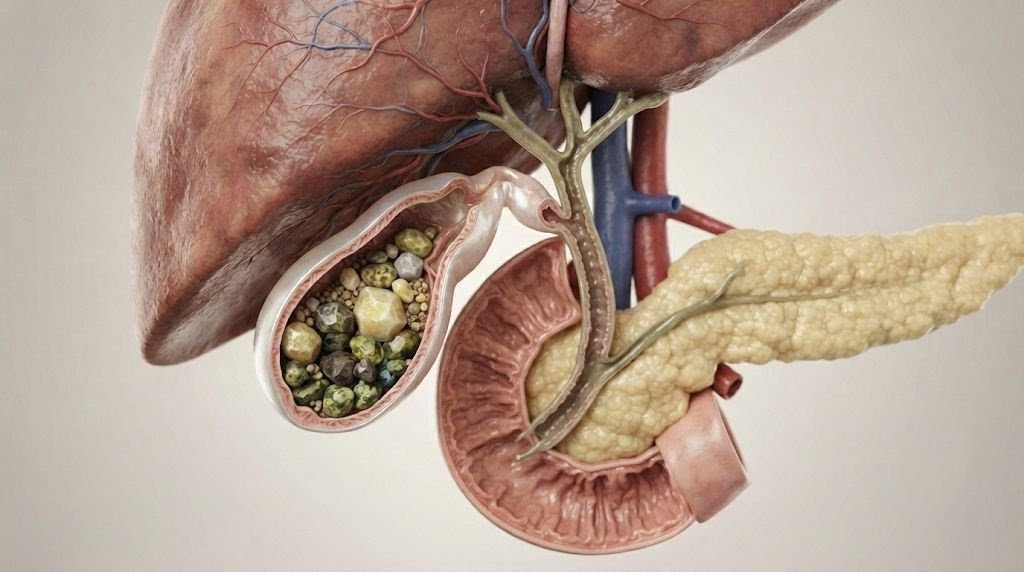
Gallbladder Stones: The Silent Problem That Can Suddenly Cause Severe Pain
Have you ever felt a sudden, sharp pain on the upper right side of your stomach after eating? Many people ignore it, thinking it's just gas or indigestion. But sometimes, the real reason could be gallbladder stones.
The surprising part is that many people have gallstones without knowing it. They may stay silent for years before causing severe pain or dangerous complications.
The good news? With early diagnosis and modern laparoscopic gallbladder surgery, this condition can be treated safely, quickly, and effectively.
Let's understand everything in a simple way.
What Are Gallbladder Stones?
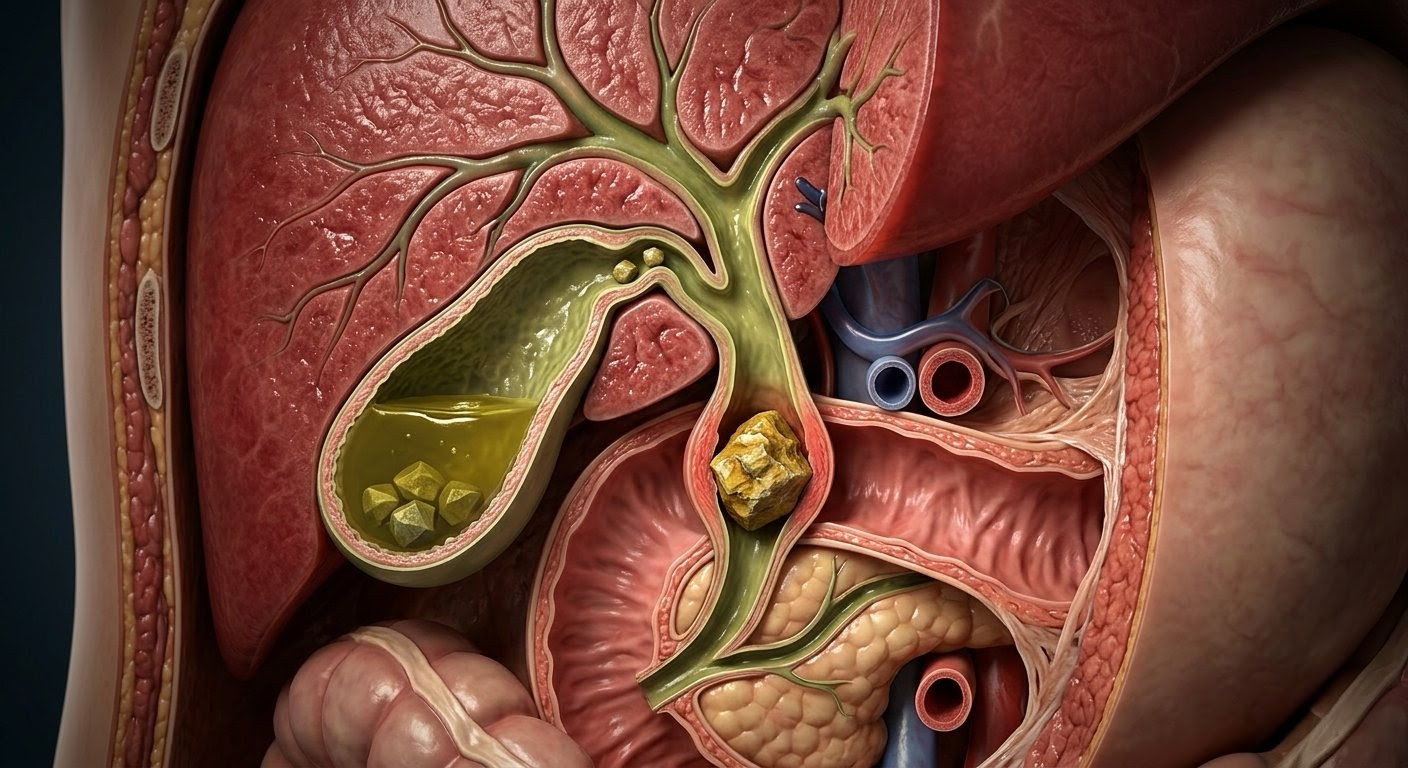
The gallbladder is a small pouch located below your liver. It stores bile, a digestive fluid that helps your body break down fats.
Sometimes, substances inside the bile become hard and form small stone-like particles. These are called gallbladder stones or gallstones.
These stones may be:
- As tiny as a grain of sand
- As large as a golf ball
- One single stone
- Multiple stones
Some people never experience symptoms, while others develop sudden severe pain that requires immediate treatment.
Why Do Gallbladder Stones Form?
Gallstones develop when the balance of substances inside bile changes.
Common reasons include:
- Too much cholesterol in bile
- Too much bilirubin
- Poor emptying of the gallbladder
- Obesity
- Rapid weight loss
- Diabetes
- Pregnancy
- Family history
- Increasing age
- High-fat diet
Not everyone with these risk factors develops stones, but they significantly increase the chances.
Common Symptoms of Gallbladder Stones
Many people don't notice symptoms until a stone blocks the flow of bile.
Watch for these warning signs:
- Sudden pain in the upper right abdomen
- Pain after eating oily or fatty food
- Pain spreading to the back or right shoulder
- Nausea or vomiting
- Bloating
- Indigestion
- Feeling unusually full after meals
Seek emergency medical care if you develop:
- Fever with severe pain
- Yellow eyes or skin (jaundice)
- Continuous vomiting
- Pain lasting more than several hours
These may indicate a serious complication.
What Happens If Gallstones Are Left Untreated?
Ignoring gallbladder stones can sometimes lead to dangerous health problems.
Possible complications include:
- Gallbladder infection
- Severe inflammation
- Blocked bile duct
- Pancreatitis
- Jaundice
- Damage to nearby organs
Early diagnosis helps prevent these complications and allows treatment before the condition worsens.
.jpeg)
How Are Gallbladder Stones Diagnosed?
Doctors usually diagnose gallstones using:
- Medical history
- Physical examination
- Ultrasound scan (most common)
- Blood tests
- CT scan (if needed)
- MRI or MRCP in selected cases
Ultrasound is painless, safe, and highly effective in detecting gallstones.
Modern Treatment for Gallbladder Stones
Treatment depends on whether the stones are causing symptoms.
If there are no symptoms
Some people only require regular observation if the stones are not causing problems.
If symptoms are present
The most effective treatment is Laparoscopic Gallbladder Surgery (Laparoscopic Cholecystectomy).
This minimally invasive procedure removes the gallbladder through tiny cuts using a camera and special instruments.
Why Is Laparoscopic Gallbladder Surgery Preferred?
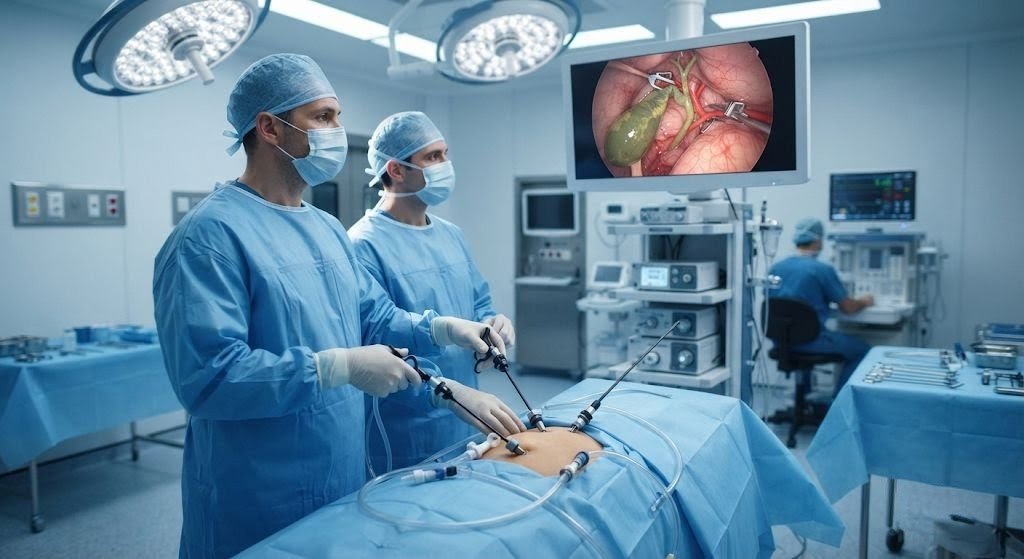
Compared to traditional open surgery, laparoscopic surgery offers several benefits:
- Smaller cuts
- Less pain
- Faster recovery
- Minimal blood loss
- Lower risk of infection
- Short hospital stay
- Smaller scars
- Early return to daily activities
Most patients can resume normal routines within a short period after following their surgeon's advice.
Can You Live Without a Gallbladder?
Yes.
Many patients worry about this, but your liver continues to produce bile even after the gallbladder is removed.
Instead of being stored, bile flows directly into the intestine to help digest food.
Most people live completely normal, healthy lives after surgery.
When Should You Visit a Doctor?
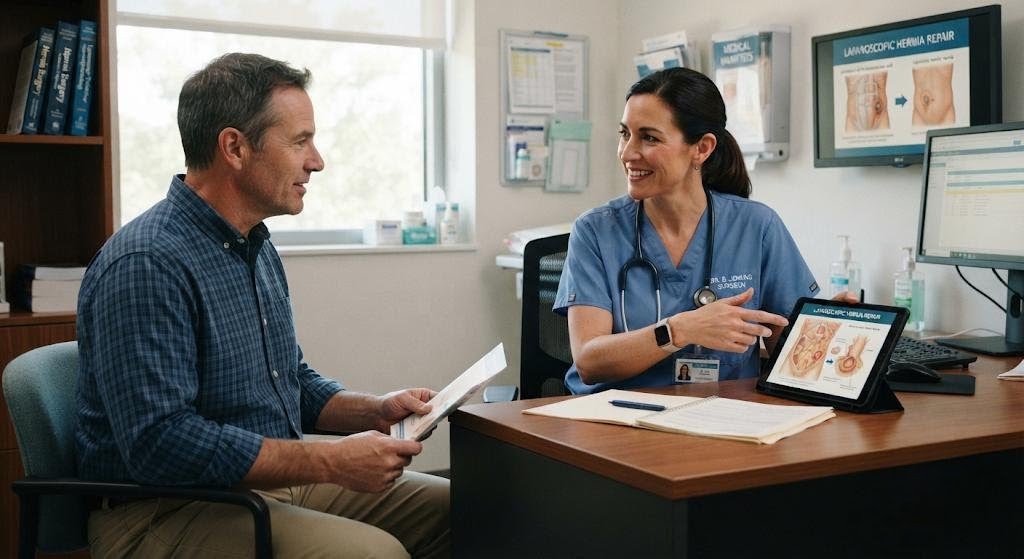
Do not ignore repeated stomach pain.
Consult a specialist if you experience:
- Pain after meals
- Frequent indigestion
- Upper abdominal discomfort
- Vomiting with abdominal pain
- Fever along with stomach pain
- Yellowing of the eyes
Early consultation can prevent serious complications and reduce the need for emergency surgery.
Expert Care Matters
Successful treatment depends on proper diagnosis and experienced surgical care.
If surgery is recommended, choosing an experienced laparoscopic surgeon can improve safety, comfort, and recovery.
Dr. Naveen Kumar Anem, an experienced laparoscopic surgeon, focuses on evaluating every patient carefully and recommending the most suitable treatment based on their condition.
Key Takeaway
Gallbladder stones are common but should never be ignored when symptoms appear.
Recognizing the warning signs early and seeking medical advice can prevent complications and help you recover faster. Thanks to modern laparoscopic gallbladder surgery, treatment is safer, less painful, and allows patients to return to normal life quickly.
If you or someone in your family experiences repeated upper abdominal pain, especially after meals, consult a qualified surgeon for proper evaluation.
Doctor Review
Medically Reviewed by Dr. Naveen Kumar Anem
MBBS, DNB (General Surgery), FMAS, FIAGES
Laparoscopic & GI Surgeon
This article has been medically reviewed by Dr. Naveen Kumar Anem to ensure the information is accurate, evidence-based, and easy to understand. Our goal is to provide reliable healthcare information that helps patients make informed decisions about their health and treatment options.