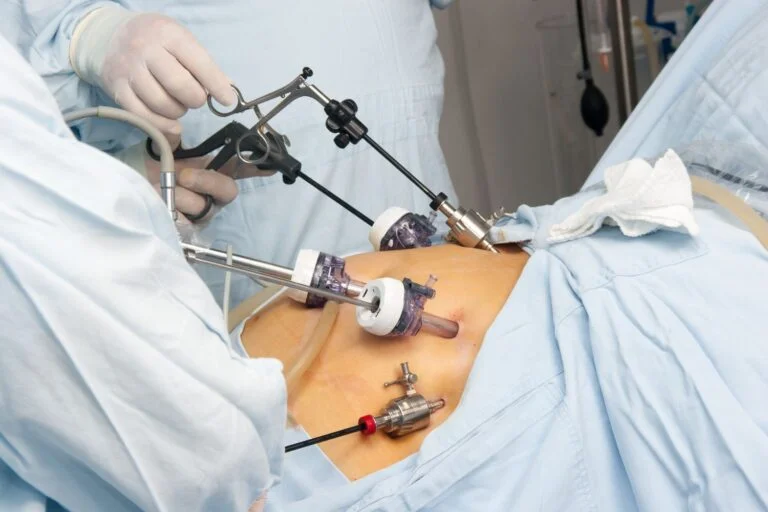



Gallstones Treatment in Vizag
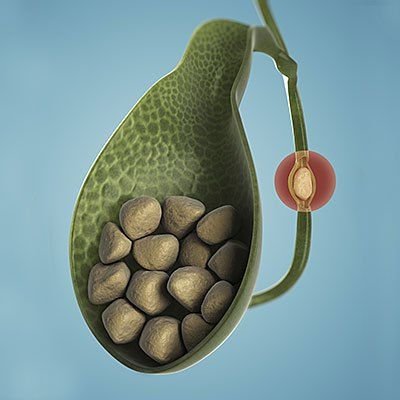
Gallbladder Stones: Symptoms, Treatment, Surgery, and Recovery
.jpeg)
Gallbladder stones, also known as gallstones, are one of the most common digestive disorders affecting people of all age groups. These stones are hardened deposits that form inside the gallbladder. While some individuals may have gallstones without experiencing any symptoms, others can suffer from severe pain and complications that require immediate medical attention.
With advancements in modern healthcare services, gallbladder stones can now be treated safely and effectively by Laparoscopy Cholecystectomy. Understanding the symptoms, treatment options, and recovery process can help patients make informed decisions regarding their health.
Understanding Gallbladder Stones
The gallbladder stores bile, a digestive fluid produced by the liver. When substances in bile, such as cholesterol or bilirubin, become imbalanced, they can harden and form stones. Gallstones may vary in size from tiny grains to large stones occupying most of the gallbladder.
Many patients remain symptom-free for years. However, when stones block the bile ducts, they can cause severe discomfort and potentially serious complications.
Common Symptoms of Gallbladder Stones
.jpeg)
The most common symptoms include:
- Sudden pain in the upper right abdomen after fatty meals
- Nausea and vomiting
- Indigestion and bloating
- Fever in cases of infection
- Jaundice if bile flow becomes obstructed
When symptoms become frequent or severe, seeking professional medical care at a specialized surgery hospital becomes essential.
Gallstone Pain Treatment in Vizag
Patients experiencing gallstone-related discomfort should seek timely evaluation from experienced surgeons.
Treatment may include:
- Pain management medications
- Monitoring asymptomatic stones
- Surgical intervention when indicated
Early diagnosis helps avoid complications such as gallbladder infection, pancreatitis, and bile duct obstruction.
When Is Gallbladder Surgery Necessary?
Not all gallstones require immediate treatment. However, surgery becomes the preferred option when:
- Recurrent pain episodes occur
- Gallbladder inflammation develops
- Stones block bile ducts
- Infection is present
- Complications affect the pancreas or liver
In such situations, gallbladder surgery provides a permanent solution and prevents future attacks.
Laparoscopic Cholecystectomy: The Gold Standard Treatment
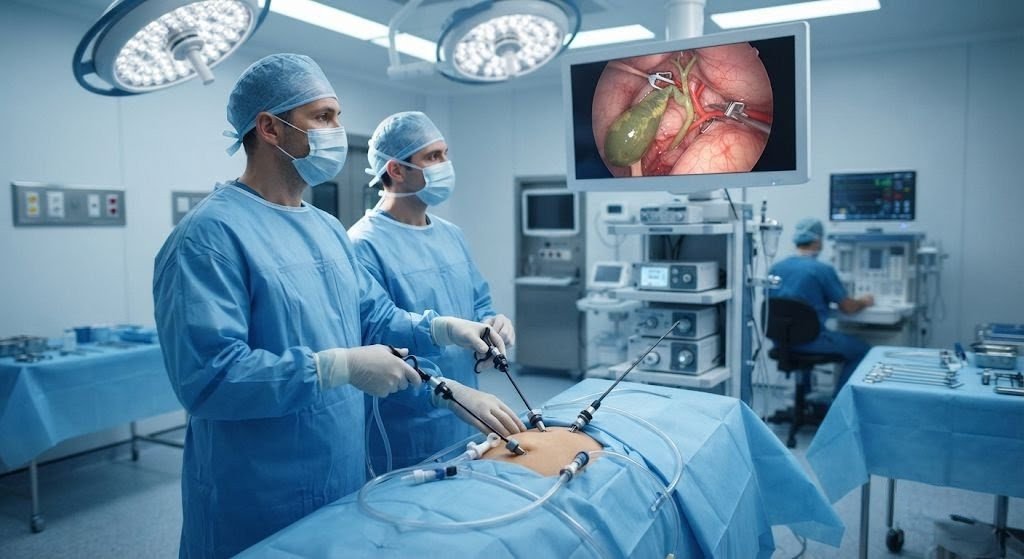
Laparoscopy Cholecystectomy is considered the most effective and widely accepted treatment for symptomatic gallstones. This minimally invasive procedure involves removing the gallbladder through small incisions.
Benefits of laparoscopic surgery include:
- Smaller incisions
- Reduced postoperative pain
- Minimal blood loss
- Faster recovery
- Shorter hospital stay
- Lower risk of infection
- Early return to daily activities
Most patients prefer this technique because it offers excellent outcomes with minimal disruption to their routine lives.
Gallbladder Operation Cost
One of the most common concerns among patients is the Gallbladder operation cost. The overall expense varies depending on several factors, including:
- Presence of infection
- Type of procedure performed
- Emergency or planned surgery
- Patient's medical condition
- Insurance coverage
Patients are encouraged to discuss treatment plans and costs with their healthcare providers for accurate estimates. At A1laparoscopy Hospital this surgery may range from 50000/- to 70000/- based on the above factors.
Timing of Surgery: Why Delaying Treatment Can Be Risky
The timing of surgery depends on the severity of symptoms and the patient's overall health condition.
Important considerations include:
- Symptomatic gallstones generally require early surgery - within weeks.
- Repeated attacks may increase the risk of complications.
- Acute infections may necessitate urgent surgery - same day.
- Long delays can lead to complications, bile duct blockage, or pancreatitis, gallbladder perforation, which can be life threatening.
A surgeon can determine the safest timeframe after evaluating the patient's condition.
Do All Patients with Gallbladder Stones Need Surgery?
Not every patient diagnosed with gallstones requires immediate surgery.
Situations where surgery may not be necessary include:
- Stones discovered incidentally during routine scans
- No symptoms or complications
However, surgery is usually recommended when:
- Symptoms occur repeatedly
- Pain affects daily life
- Complications develop
- Gallbladder function becomes impaired
Regular follow-up is important for patients who choose observation.
Does the Size or Number of Stones Determine Surgery?
Many people believe that larger stones automatically require surgery, while smaller stones do not. In reality, the decision is not based solely on stone size or quantity.
Factors influencing treatment include:
- Presence of symptoms
- Frequency of pain attacks
- Gallbladder inflammation
- Associated complications
- Patient's overall health
Even small stones can cause serious blockages and complications, whereas some large stones may remain asymptomatic.
Can Gallbladder Stones Be Dissolved with Medicines?
Certain medications may help dissolve specific cholesterol-based stones under limited circumstances. However, medical therapy has several limitations:
- Works only for selected patients
- Requires long treatment duration
- High recurrence rates
- Ineffective for many stone types
- Does not eliminate the risk of future complications
As a result, gallbladder surgery remains the most reliable and definitive treatment for symptomatic gallstones.
Effects of Gallbladder Removal
Patients often worry about life after gallbladder removal. Fortunately, the body adapts remarkably well after surgery.
Key points include:
- The liver continues producing bile normally.
- Bile flows directly into the intestine.
- Most patients experience significant symptom relief.
- Long-term quality of life is generally excellent.
Serious long-term complications are uncommon when surgery is performed appropriately.
Digestion After Gallbladder Surgery
Normal digestion typically resumes after recovery.
Patients can expect:
- Gradual return to regular eating habits
- Improved comfort after meals
- Reduced episodes of abdominal pain
- Better overall digestive health
Some individuals may experience temporary loose stools or mild digestive changes during the adjustment period, but these symptoms usually improve over time.
Diet Before and After Gallbladder Removal

Proper nutrition supports recovery and digestive health.
Before Surgery
Patients are generally advised to:
- Avoid fatty foods
- Reduce fried food consumption
- Eat smaller frequent meals
- Stay hydrated
- Maintain a balanced diet
After Surgery
Recommended dietary practices include:
- Start with light meals
- Gradually increase food variety
- Consume lean proteins
- Include fruits and vegetables
- Avoid excessive fatty foods initially
- Drink adequate fluids
Most patients can eventually return to a normal diet without significant restrictions.
Hospital Stay and Recovery Timeline
One of the major advantages of Laparoscopy Cholecystectomy is rapid recovery.
Typical recovery milestones include:
- Hospital stay of approximately one day in uncomplicated cases
- Walking within hours after surgery
- Resumption of light activities within a few days
- Return to work within one to two weeks depending on occupation
- Normal diet resumed gradually as tolerated
- Complete recovery within a few weeks
Recovery duration may vary depending on individual health conditions and surgical complexity.
Importance of Comprehensive Healthcare and Patient Care
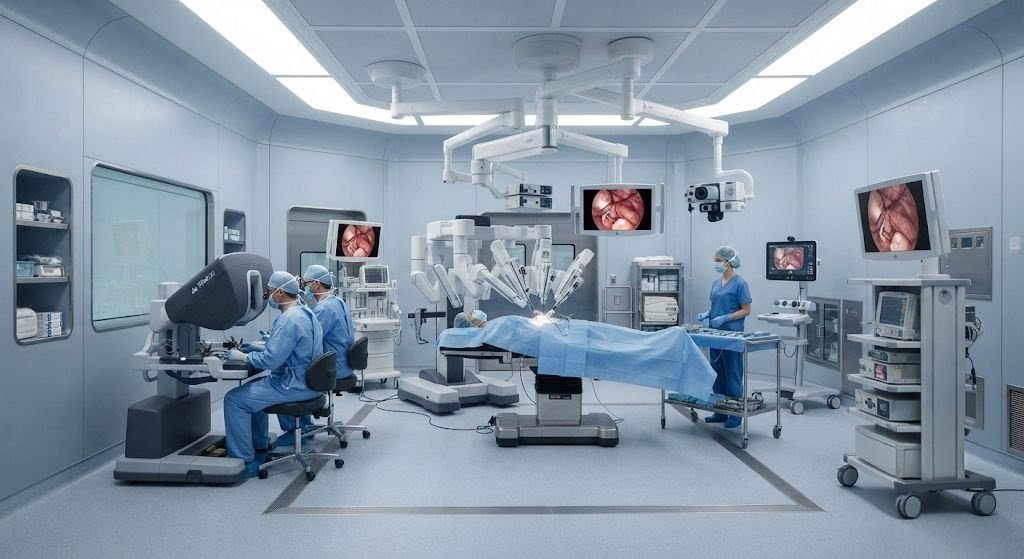
Successful treatment of gallbladder stones requires more than surgery alone. Comprehensive healthcare focuses on accurate diagnosis, advanced treatment options, postoperative monitoring, and long-term wellness.
High-quality patient care ensures:
- Personalized treatment plans
- Expert surgical management
- Continuous monitoring
- Faster recovery
- Better patient outcomes
- Enhanced comfort and satisfaction
Choosing a trusted surgery hospital with experienced specialists can significantly improve treatment success and patient experience.
Conclusion
Gallbladder stones are a common but potentially troublesome condition that should not be ignored when symptoms occur. When patients require Gallstone pain treatment in Vizag, early consultation with an experienced Laparoscopic surgeon can prevent complications and improve quality of life.
Laparoscopy Cholecystectomy remains the preferred treatment for symptomatic gallstones due to its safety, effectiveness, and quick recovery. Most individuals can return to normal, healthy lives shortly after treatment.