
Ovarian Cysts: When to Worry, Symptoms & Treatment
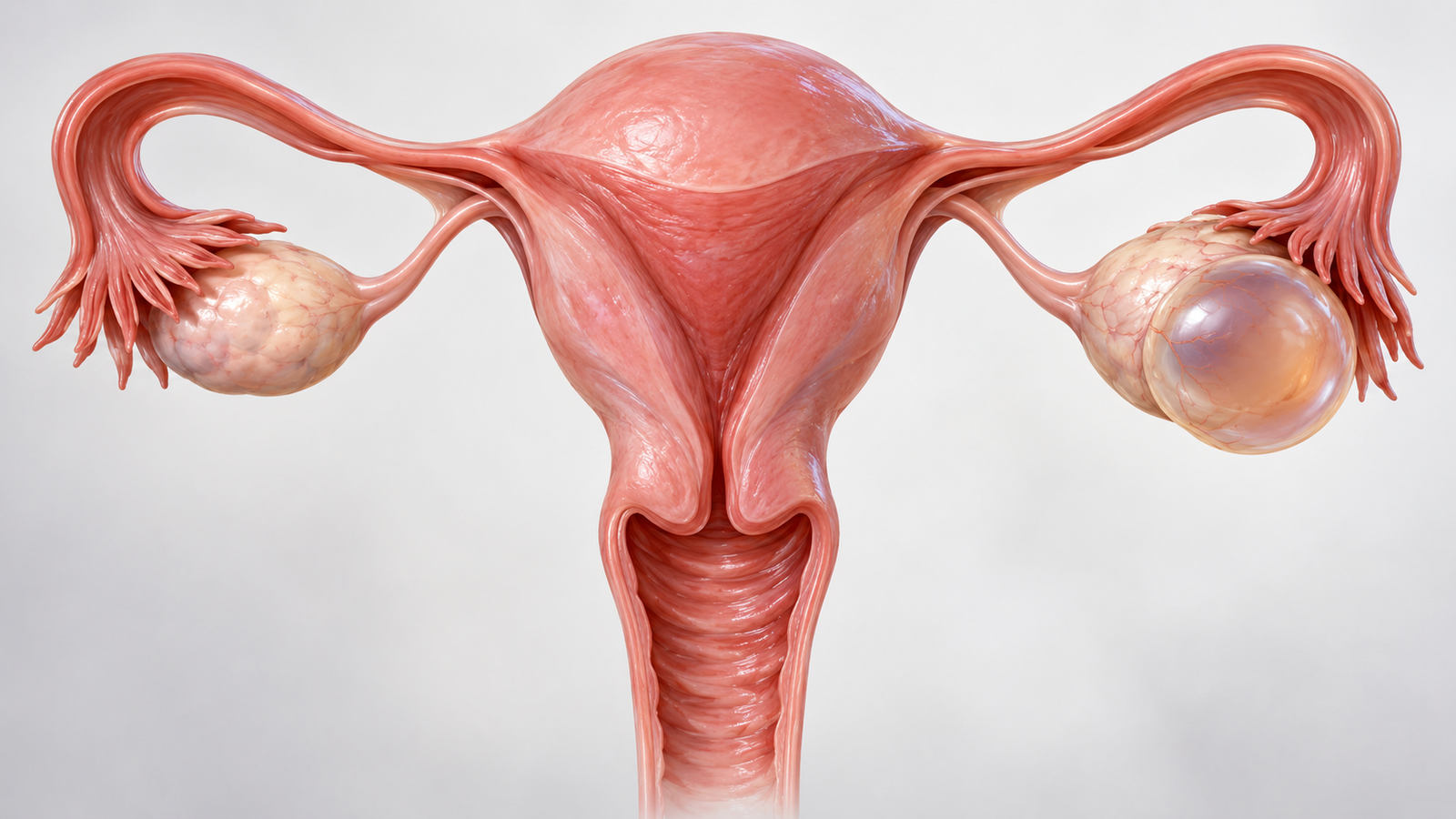
Introduction: An Ovarian Cyst Sounds Scary—But Should You Actually Worry?
Being told that you have an ovarian cyst can immediately create fear.
Is it dangerous?
Will it affect fertility?
Does it need surgery?
Could it be cancer?
The reassuring fact is that most ovarian cysts are benign, meaning they are not cancerous. Many develop naturally during the menstrual cycle and disappear on their own without treatment.
However, some cysts become large, cause persistent symptoms, rupture, bleed or make the ovary twist. Cysts discovered after menopause or cysts with unusual features on an ultrasound may also need closer investigation.
So the important question is not simply:
“Do I have an ovarian cyst?”
It is:
“What type of cyst is it, how does it look on ultrasound, and is it causing symptoms?”
Let us understand when to worry about an ovarian cyst and when monitoring may be enough.
What Is an Ovarian Cyst?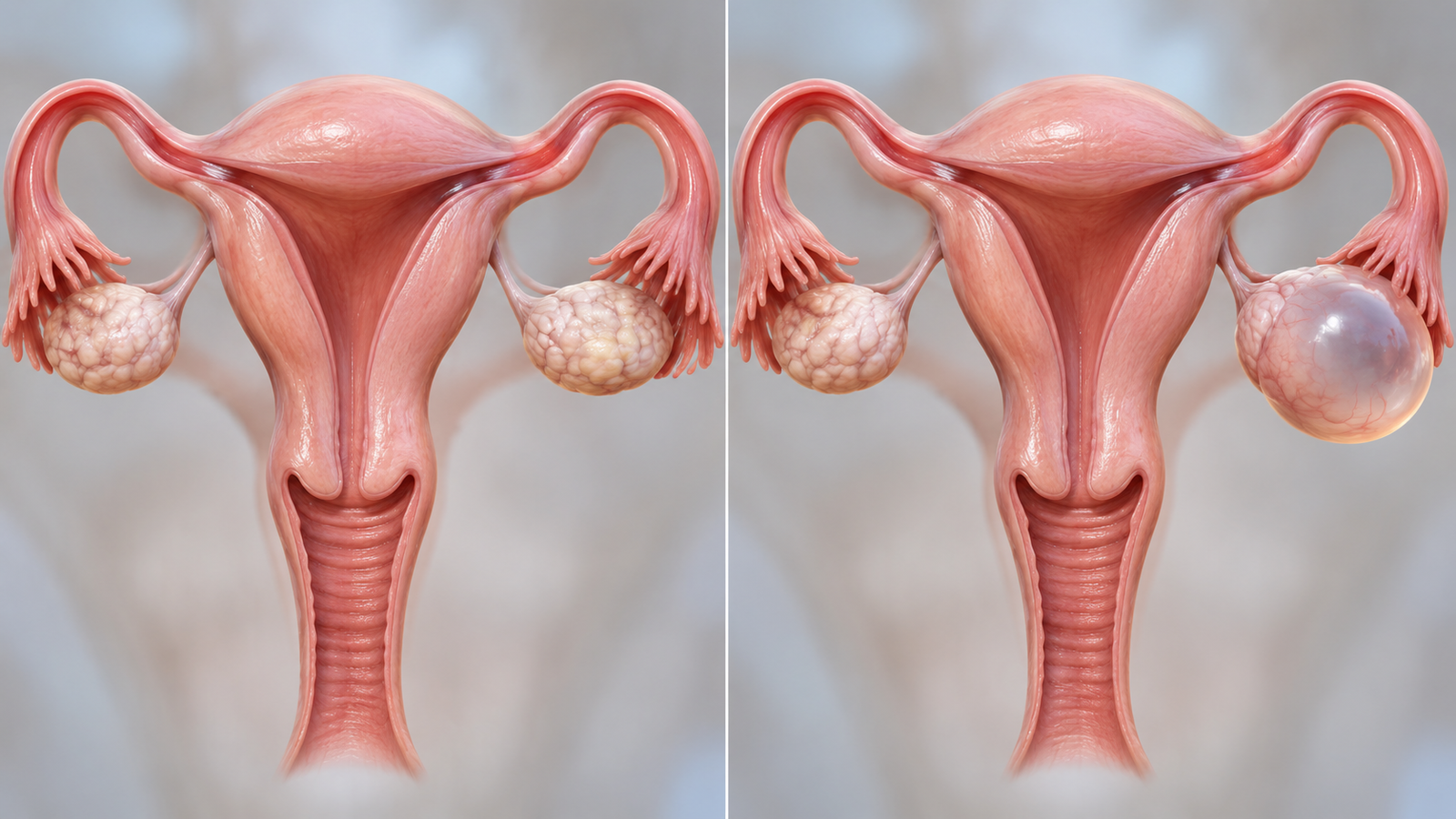
The ovaries are two small organs located on either side of the uterus. They produce eggs and important reproductive hormones.
An ovarian cyst is a sac containing fluid or other material that develops inside or on an ovary.
Ovarian cysts are very common, particularly during the reproductive years.
Many women may develop one without ever knowing because small cysts frequently cause no symptoms and disappear naturally.
Symptoms of Ovarian Cysts
Many ovarian cysts have no symptoms.
They may only be discovered during a routine pelvic examination or ultrasound performed for another reason.
When symptoms do occur, they may include:
- Pain in the lower abdomen or pelvis
- Pain mainly on one side
- A dull or heavy feeling in the pelvis
- Abdominal bloating
- Feeling unusually full
- Pain during sexual intercourse
- Frequent urge to urinate
- Difficulty emptying the bowels
- Changes in menstrual bleeding in some cases
- Pressure or swelling in the abdomen
Larger cysts are more likely to produce pressure or discomfort.
But the severity of pain does not always tell us the size or type of cyst.
That is why persistent pelvic pain deserves medical evaluation.
Ovarian Cysts: When Should You Worry?
This is the most important section.
Most cysts do not require emergency treatment.
However, certain symptoms should not be ignored.
1. Sudden, Severe Pelvic Pain
A sudden, intense pain on one side of the lower abdomen can be a warning sign of:
- Ovarian torsion
- Ruptured ovarian cyst
- Bleeding from a cyst
ACOG notes that cysts that rupture or bleed can cause sudden severe pain, while larger cysts may increase the risk of the ovary twisting.
2. Severe Pain With Nausea or Vomiting
Sudden pelvic pain accompanied by nausea or vomiting requires urgent medical assessment.
One possible cause is ovarian torsion.
Ovarian torsion occurs when the ovary twists around the tissues supporting it and its blood supply may become reduced.
This can become a surgical emergency.
3. Increasing Abdominal Swelling or Persistent Bloating
Occasional bloating is common and usually has many harmless causes.
But persistent or increasing abdominal swelling, particularly when combined with pelvic symptoms, should be evaluated.
Do not simply assume that repeated bloating is “gas.”
4. Feeling Full After Eating Very Little
If you repeatedly feel full very quickly, lose your appetite or develop unexplained weight loss, speak with a healthcare professional.
These symptoms do not automatically mean cancer, but persistent symptoms deserve investigation.
5. An Ovarian Cyst After Menopause
Most ovarian cysts are benign.
However, the chance that an ovarian mass could be cancerous becomes higher after menopause compared with younger reproductive-age women.
Postmenopausal ovarian cysts may therefore require closer monitoring, ultrasound assessment and sometimes blood testing.
6. A Cyst That Keeps Growing
A cyst that persists or increases in size rather than disappearing may need further evaluation.
Its size, appearance and symptoms help determine whether monitoring or treatment is appropriate.
Causes: Why Do Ovarian Cysts Develop?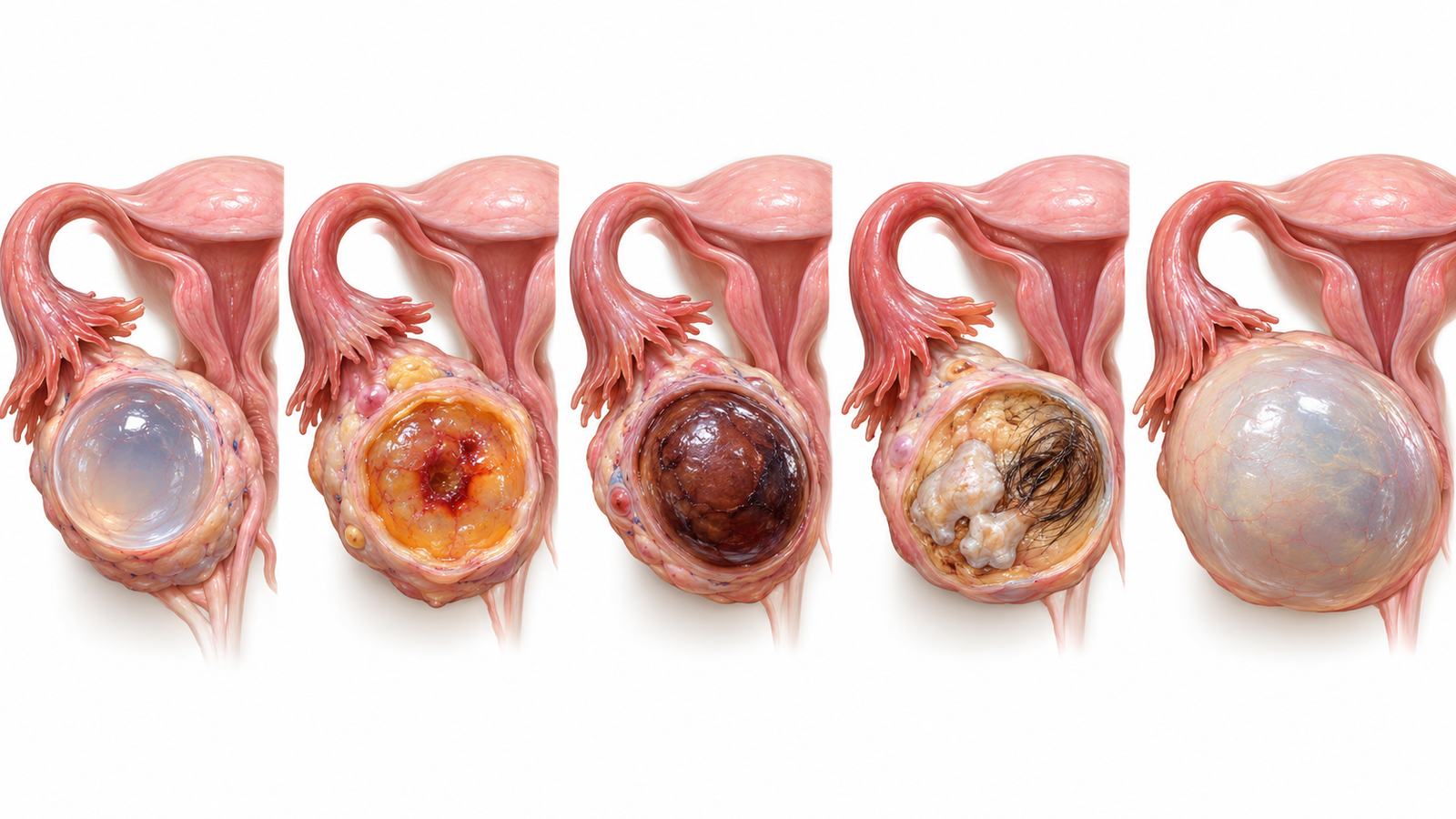
There are several different types of ovarian cysts.
Knowing the type helps explain why it developed.
Functional Ovarian Cysts
These are the most common.
Every month, an egg develops inside a small sac called a follicle.
Normally, the follicle opens and releases the egg.
Sometimes this process does not happen normally, allowing fluid to remain and form a cyst.
These are known as functional cysts.
They are usually harmless and often disappear without treatment within one or two menstrual cycles.
Corpus Luteum Cysts
After an egg is released, the follicle changes into a structure called the corpus luteum.
Sometimes fluid or a small amount of blood collects inside it, creating a corpus luteum cyst.
Endometriomas
An endometrioma develops when endometriosis affects the ovary.
Endometriosis occurs when tissue similar to the lining of the uterus grows outside the uterus.
These cysts are sometimes called “chocolate cysts.”
Dermoid Cysts or Teratomas
A teratoma, sometimes called a dermoid cyst, is usually a benign growth that can contain different types of tissue.
ACOG notes that these can develop during reproductive years, although malignant transformation is very rare.
Cystadenomas
These are usually benign growths that develop from cells on the surface of the ovary.
Some can become quite large even though they are not cancerous.
Is an Ovarian Cyst the Same as PCOS?
No.
This is a common misunderstanding.
Polycystic ovary syndrome (PCOS) is a hormonal and metabolic condition.
Although the name contains the word “cystic,” PCOS is not simply the same thing as having one ordinary ovarian cyst.
A person can have an ovarian cyst without having PCOS, and someone with PCOS has a different underlying hormonal condition that requires separate evaluation.
Diagnosis: How Are Ovarian Cysts Checked?
If an ovarian cyst is suspected, evaluation usually begins with medical history and a physical or pelvic examination.
Ultrasound
An ultrasound scan is one of the most important tests.
It can show:
- Size of the cyst
- Location
- Shape
- Whether it contains fluid
- Whether there are solid areas
- Other characteristics that help guide treatment
Ultrasound may be performed through the abdomen or with a transvaginal probe depending on the situation.
Repeat Ultrasound
Not every cyst needs immediate treatment.
Doctors may recommend watchful waiting, followed by another ultrasound after several weeks or menstrual cycles to see whether the cyst has disappeared or changed.
Blood Tests
A doctor may recommend blood tests depending on the cyst and the patient's age.
One test sometimes used is CA-125.
However, an elevated CA-125 does not automatically mean ovarian cancer. Other conditions can also increase it.
The test must be interpreted together with ultrasound findings, symptoms, menopausal status and other clinical information.
Treatment of Ovarian Cysts
Treatment depends on:
- Age
- Menopausal status
- Symptoms
- Size of the cyst
- Ultrasound appearance
- Whether it is growing
- Whether cancer is suspected
Watchful Waiting
For many simple ovarian cysts, the safest treatment may actually be no immediate treatment at all.
Many functional cysts disappear naturally.
Your doctor may simply repeat the ultrasound later to make sure the cyst is shrinking or has disappeared.
Medicines
Hormonal birth-control medicines may sometimes reduce the chance of developing new functional cysts, but they do not necessarily make an existing cyst disappear faster.
Treatment should therefore depend on the individual situation rather than taking medication without proper evaluation.
Surgery
Ovarian cyst surgery may be recommended if the cyst:
- Is very large
- Continues to grow
- Does not disappear
- Causes significant symptoms
- Has concerning ultrasound features
- Is associated with complications
- Raises concern for cancer
ACOG lists size, symptoms, age, fertility wishes, family history and concern for cancer among factors used when deciding whether surgery is appropriate.
Laparoscopic Ovarian Cyst Surgery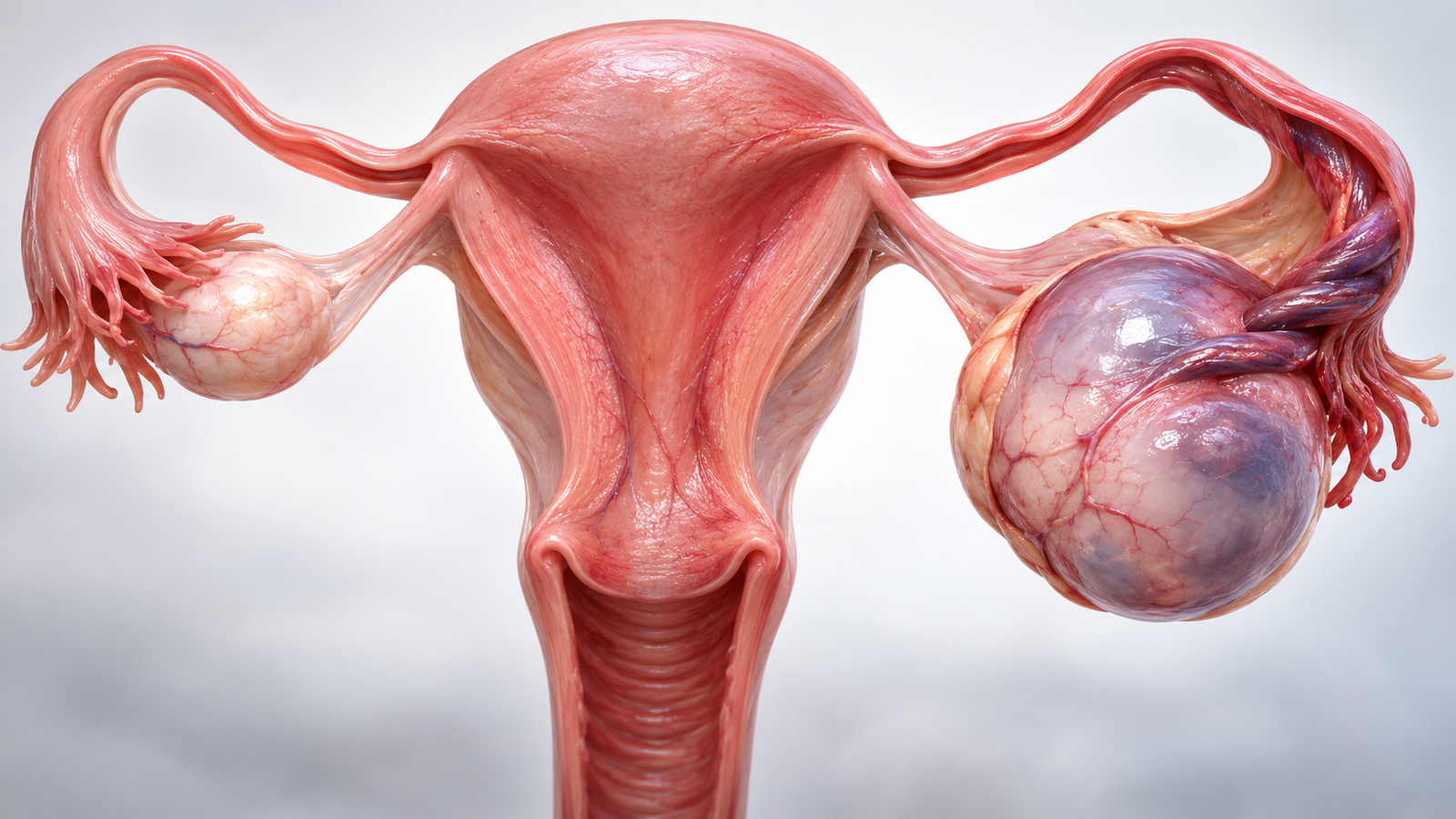
When a cyst appears benign and surgery is required, laparoscopy may be possible.
During laparoscopic surgery, small incisions are made and a camera is used to view the pelvic organs.
The surgeon may perform a cystectomy, which removes the cyst while preserving the ovary when possible.
In other situations, removal of an ovary may be necessary.
ACOG notes that minimally invasive surgery is commonly considered when a cyst is believed to be benign. Open surgery may be required when the cyst is very large or cancer is suspected.
For ovarian conditions, surgical assessment should involve an appropriately qualified gynecology specialist. Where multidisciplinary laparoscopic expertise is needed, surgical teams may work together according to the complexity of the case.
Dr. Naveen Kumar Anem, MBBS, DNB (General Surgery), FMAS, FIAGES, Laparoscopic & GI Surgeon, has expertise in laparoscopic surgery; ovarian cyst management itself should be coordinated with an appropriate gynecology specialist.
Recovery After Ovarian Cyst Surgery
Recovery depends on whether the operation was performed laparoscopically or through open surgery and how extensive the procedure was.
After surgery, patients may temporarily experience:
- Abdominal discomfort
- Tiredness
- Mild swelling
- Incision soreness
- Temporary bloating
Recovery time varies considerably.
The NHS notes that after ovarian cyst surgery, complete return to normal activities can sometimes take several weeks and, depending on the procedure, as long as around 12 weeks.
Your surgeon should provide individual instructions regarding:
- Walking
- Driving
- Work
- Exercise
- Sexual activity
- Heavy lifting
- Wound care
Possible Complications of Ovarian Cysts
Most cysts never lead to serious problems.
However, complications can occur.
Ovarian Torsion
A cyst—particularly a larger one—can contribute to twisting of the ovary.
This may reduce its blood supply and can require urgent surgery.
Sudden severe one-sided pelvic pain with nausea or vomiting should be treated seriously.
Ruptured Ovarian Cyst
A cyst can sometimes break open.
Some ruptures cause only mild symptoms, while others may lead to severe pain or internal bleeding.
Sudden severe pain requires medical assessment.
Bleeding
Some cysts can bleed internally.
Heavy bleeding or severe pain should receive prompt medical attention.
Concern for Cancer
Most ovarian cysts are not cancer.
Cancer is relatively uncommon in simple cysts, particularly in younger women, but risk increases with age and after menopause.
This is why cyst appearance and patient age matter.
Benefits of Timely Evaluation and Treatment
Not every cyst needs surgery.
But getting the right evaluation can help:
- Identify cysts that can safely be monitored
- Avoid unnecessary surgery
- Detect concerning changes earlier
- Treat persistent pain
- Identify ovarian torsion or rupture quickly
- Plan fertility-preserving treatment where possible
- Decide whether laparoscopy or open surgery is more suitable
The goal is not to remove every ovarian cyst.
The goal is to know which cysts can be left alone and which ones need medical attention.
When Should You Seek Immediate Medical Help?
Get urgent medical attention if you develop:
Sudden severe pelvic or abdominal pain
Severe pain with nausea or vomiting
Fainting, dizziness or unusual weakness with severe pelvic pain
Heavy or abnormal bleeding with significant pain
These symptoms may indicate complications such as ovarian torsion, cyst rupture or internal bleeding and should not simply be watched at home.
Found an Ovarian Cyst? Do Not Panic—But Do Not Ignore It Either
Finding an ovarian cyst does not automatically mean surgery or cancer.
In many cases, the next step may simply be monitoring.
What matters is understanding:
What type of cyst is it?
How large is it?
Does it look simple or complex?
Is it causing symptoms?
Is it growing?
Do I need another ultrasound?
If you have persistent pelvic discomfort, increasing abdominal swelling, abnormal symptoms or an ovarian cyst found on ultrasound, arrange an evaluation with a qualified gynecology specialist.
If surgery is recommended, ask whether a minimally invasive laparoscopic approach is suitable for your condition.
BOOK YOUR APPOINTMENT TODAY
Medical Review
Recommended publication format after clinical review:
✅ Gynecology Review: Add the name and qualifications of the gynecologist who personally reviews this article.
Laparoscopic Surgical Contributor, where applicable:
Dr. Naveen Kumar Anem
MBBS, DNB (General Surgery), FMAS, FIAGES
Laparoscopic & GI Surgeon
This article is intended for general patient education. It does not replace examination, ultrasound interpretation, diagnosis or personalised advice from a qualified gynecologist.