
Piles (Hemorrhoids): Symptoms, Causes & Best Laser Piles Treatment | Vizag
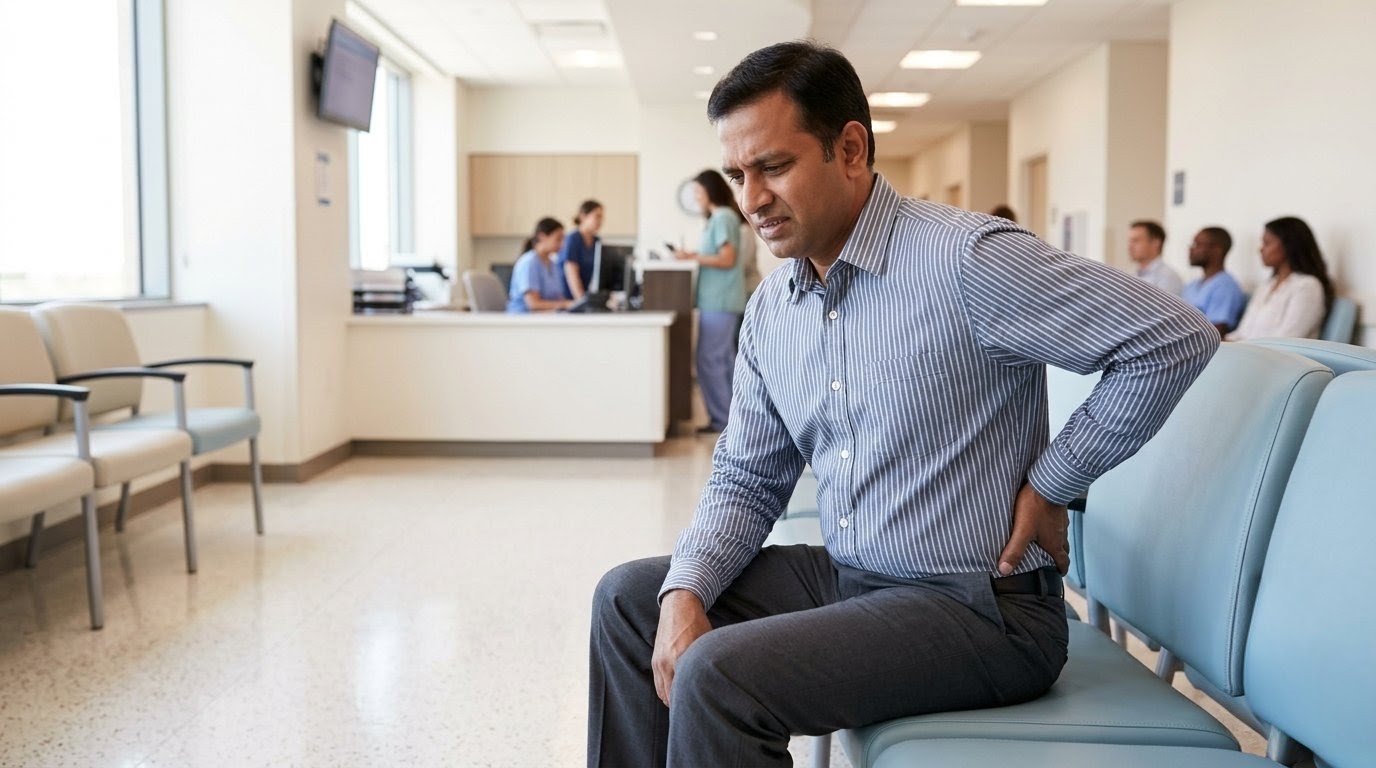
Piles: A Common Problem That Many People Feel Embarrassed to Talk About
Have you ever noticed blood while passing stools, pain near the anus, or a small lump that causes discomfort? Many people ignore these signs because they feel shy or think the problem will go away on its own.
The truth is, piles (hemorrhoids) are very common and can affect both men and women. In the early stages, they are often easy to manage. But if left untreated, they may lead to severe pain, continuous bleeding, or other complications.
The good news is that modern treatments, including laser piles surgery, are safe, effective, and help patients recover faster with less pain.
Let's understand piles in a simple way that anyone can easily understand.
What Are Piles (Hemorrhoids)?
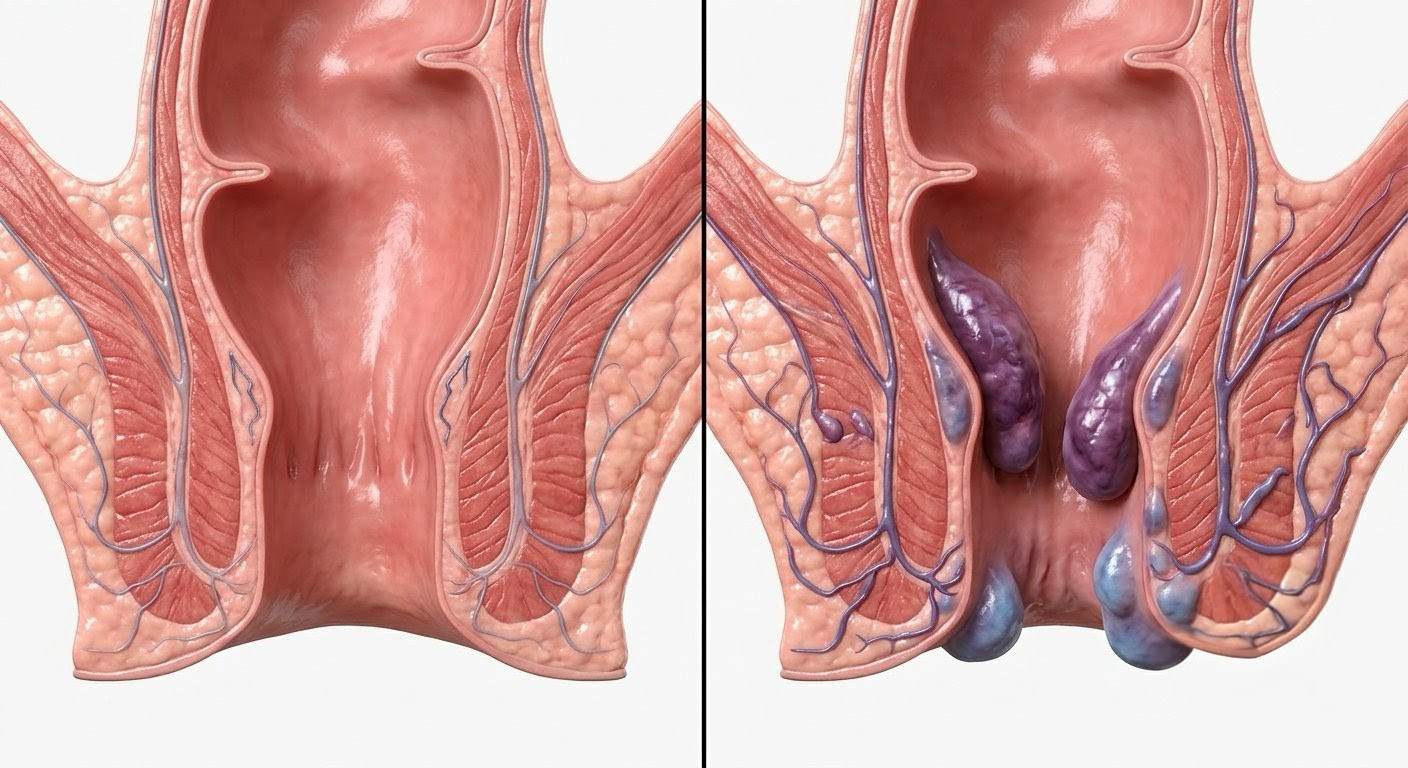
Piles, also called hemorrhoids, are swollen veins inside or around the lower part of the rectum and anus.
You can think of them like varicose veins, but they develop near the opening where stools leave the body. When these veins become swollen, they may cause pain, itching, bleeding, or a lump.
Some people have mild piles with very few symptoms, while others may need medical treatment.
Types of Piles
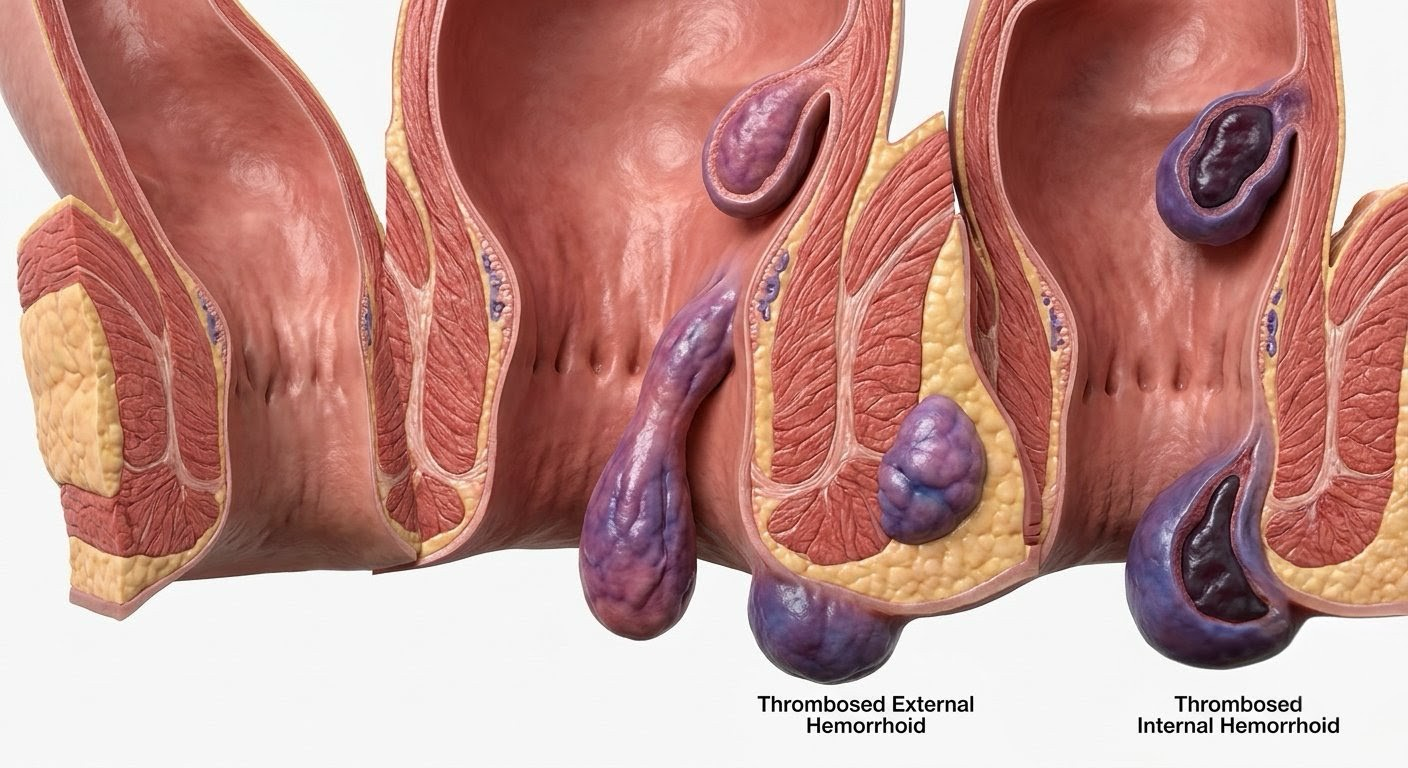
Knowing the type of piles helps doctors decide the best treatment.
Internal Piles
These develop inside the rectum. They usually do not cause pain but may lead to bleeding during bowel movements.
External Piles
These form under the skin around the anus. They can cause pain, swelling, itching, and discomfort while sitting or walking.
Thrombosed Piles
Sometimes, a blood clot forms inside an external pile, causing sudden severe pain and swelling. This requires prompt medical attention.
What Causes Piles?
Piles usually develop because of increased pressure on the veins around the anus.
Common causes include:
- Chronic constipation
- Straining during bowel movements
- Sitting on the toilet for a long time
- Low-fiber diet
- Obesity
- Pregnancy
- Aging
- Heavy lifting
- Lack of physical activity
- Family history
Following healthy bowel habits can help reduce the risk.
Symptoms of Piles
Symptoms vary depending on the type and severity.
Common signs include:
- Bright red blood while passing stools
- Pain during bowel movements
- Itching around the anus
- Swelling near the anus
- A lump around the anal area
- Mucus discharge
- Feeling that the bowel has not emptied completely
If you notice persistent bleeding or severe pain, consult a doctor without delay.
When Should You See a Doctor?
Many people delay treatment because they feel embarrassed. However, you should seek medical advice if you have:
- Bleeding that happens repeatedly
- Pain that does not improve
- A lump that keeps increasing in size
- Difficulty sitting comfortably
- Severe swelling or continuous discomfort
Early diagnosis helps prevent complications and makes treatment easier.
Can Piles Heal on Their Own?
Small piles may improve with lifestyle changes and medical treatment.
However, larger or advanced piles usually do not disappear on their own. Ignoring symptoms may allow the condition to worsen over time.
If symptoms continue despite home care, your doctor may recommend a procedure or surgery.
How Are Piles Diagnosed?
Diagnosis is usually simple and may include:
- Medical history
- Physical examination
- Digital rectal examination
- Proctoscopy
- Colonoscopy (if needed to rule out other causes of bleeding)
Proper diagnosis ensures that the bleeding is not caused by another medical condition.
Best Treatment for Piles
Treatment depends on the stage and severity.
Lifestyle Changes
Mild piles often improve with:
- Increased water intake
- High-fiber diet
- Regular exercise
- Avoiding excessive straining
Medicines
Doctors may prescribe medicines or creams to reduce pain, itching, and swelling.
Laser Piles Surgery
For advanced or painful piles, laser piles surgery has become one of the most preferred treatment options.
The laser precisely treats the swollen tissue while minimizing damage to nearby healthy tissue.
Benefits of Laser Piles Surgery
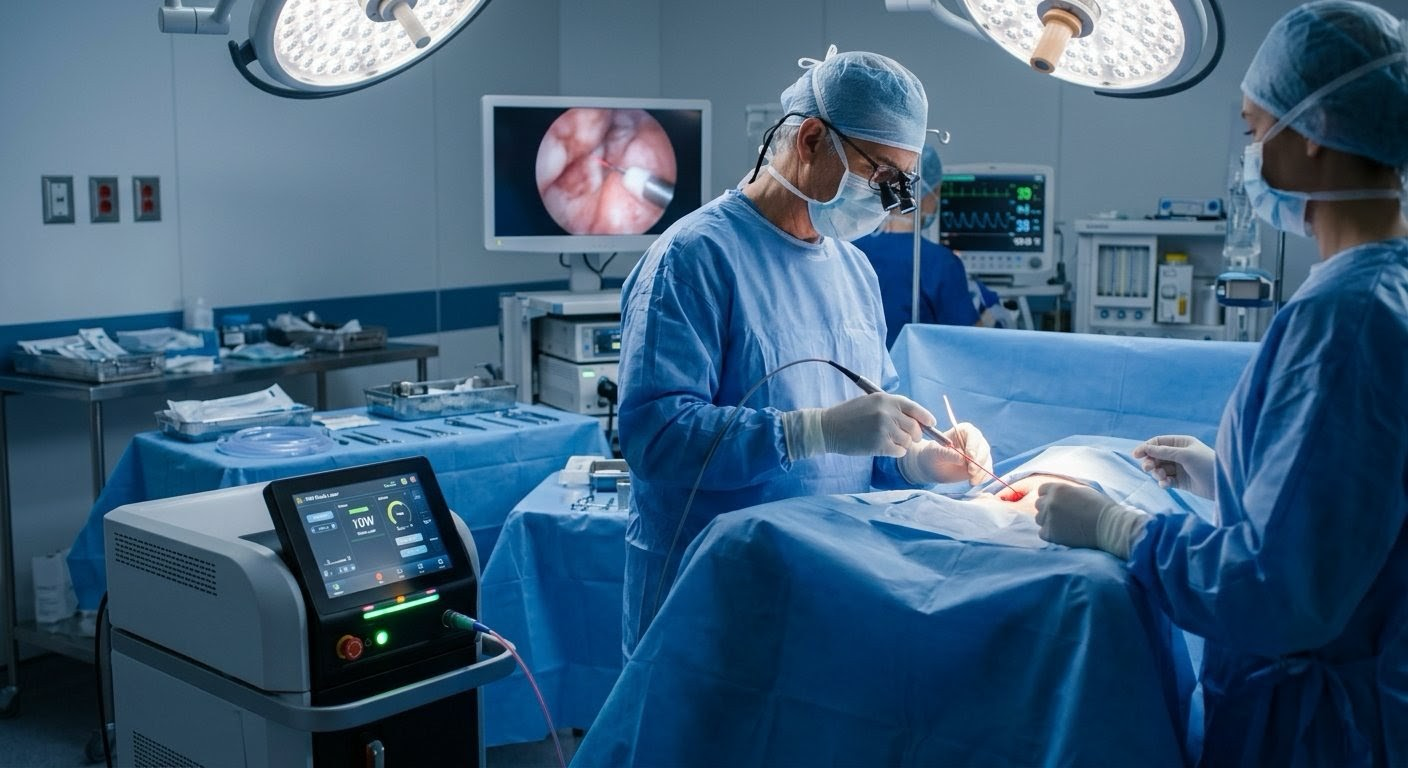
Modern laser treatment offers several advantages:
- Less pain
- Minimal bleeding
- No large cuts
- Faster recovery
- Short hospital stay
- Lower risk of infection
- Earlier return to work
- Reduced discomfort after surgery
Many patients resume normal daily activities much sooner compared to traditional surgery.
What Happens If Piles Are Left Untreated?
Ignoring piles can lead to:
- Frequent bleeding
- Anemia due to blood loss
- Severe pain
- Swollen prolapsed piles
- Blood clots
- Difficulty passing stools
Seeking treatment early helps avoid these complications.
Expert Care Makes the Difference
Successful piles treatment depends on accurate diagnosis and choosing the right treatment at the right time.
Dr. Naveen Kumar Anem, an experienced laparoscopic and laser surgeon, carefully evaluates every patient and recommends the most suitable treatment based on the severity of the condition. His focus is on providing safe, comfortable care with faster recovery and long-lasting results.
Final Thoughts
Piles are one of the most common health problems, but they should never be ignored because of embarrassment.
If you notice bleeding, pain, itching, or swelling around the anus, consult a qualified specialist early. Modern treatments, including laser piles surgery, offer excellent results with less pain and quicker recovery.
Getting treated early can help you return to a comfortable, healthy, and pain-free life.
Why Early Treatment Is Important
✔ Prevents continuous bleeding and anemia
✔ Reduces pain and discomfort
✔ Helps avoid complications like prolapsed or thrombosed piles
✔ Allows quicker recovery with modern laser treatment
✔ Improves quality of life and bowel comfort
Doctor Review
Medically Reviewed by Dr. Naveen Kumar Anem
MBBS, DNB (General Surgery), FMAS, FIAGES
Laparoscopic & GI Surgeon
This article has been medically reviewed by Dr. Naveen Kumar Anem to ensure the information is accurate, evidence-based, and easy to understand. Our goal is to provide reliable healthcare information that helps patients make informed decisions about their health and treatment options.