What Causes Gallstones? Symptoms, Risks & Treatment
Introduction: How Can Something as Small as a Stone Cause So Much Pain?
Your gallbladder is a small organ, but a tiny stone inside it can sometimes cause surprisingly severe pain.
These stones are called gallstones.
Gallstones are hard, pebble-like pieces of material that develop inside the gallbladder. They may be as tiny as grains of sand or much larger. Some people develop only one stone, while others develop several.
But what causes gallstones in the first place?
Gallstones usually develop when the normal balance of substances inside bile changes or when the gallbladder does not empty properly. Too much cholesterol, excess bilirubin and concentrated bile are among the main reasons stones can form.
Let us understand this step by step.
What Are Gallstones?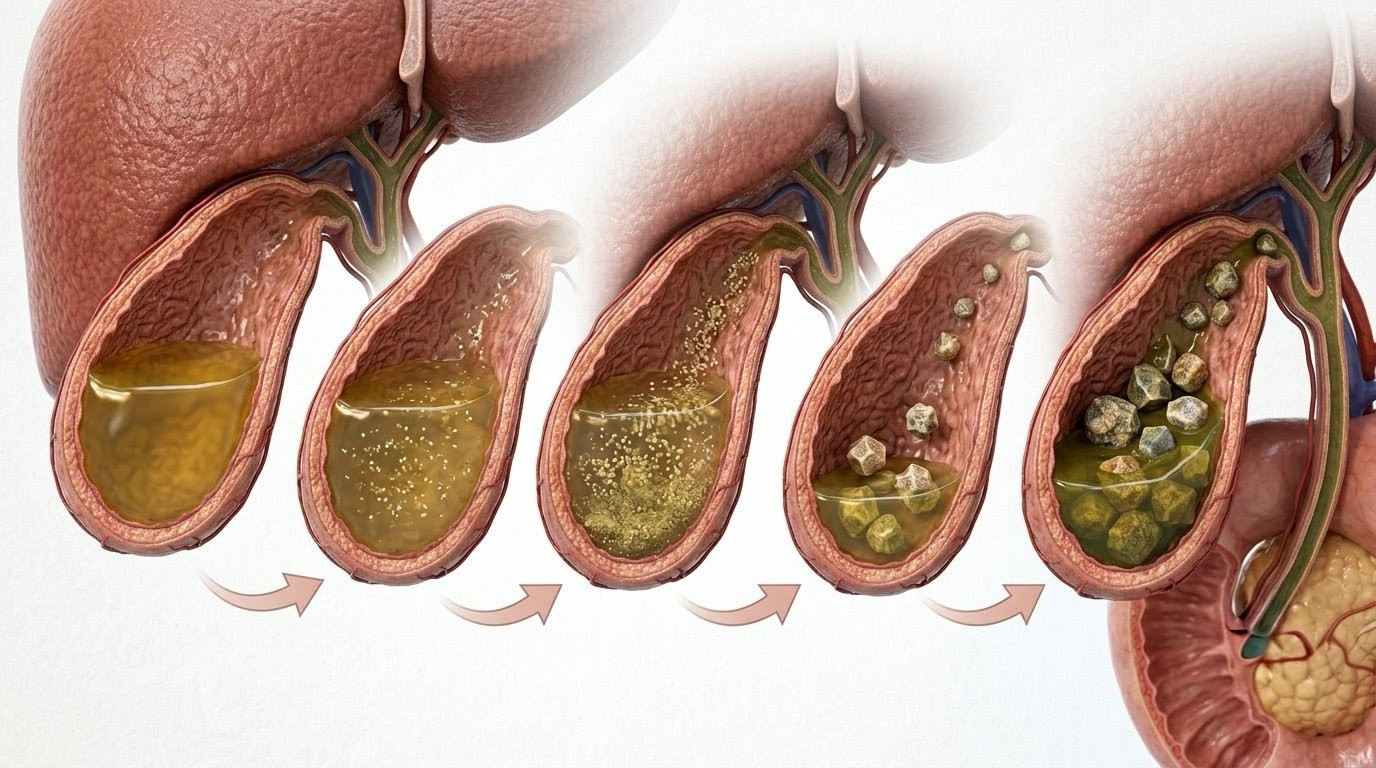
The liver produces a digestive liquid called bile.
Your gallbladder stores this bile and releases it into the small intestine when it is needed for digestion.
Normally, bile remains in liquid form. But sometimes some of its components become too concentrated and begin to form tiny crystals.
Over time, these crystals can grow into gallbladder stones, medically called cholelithiasis.
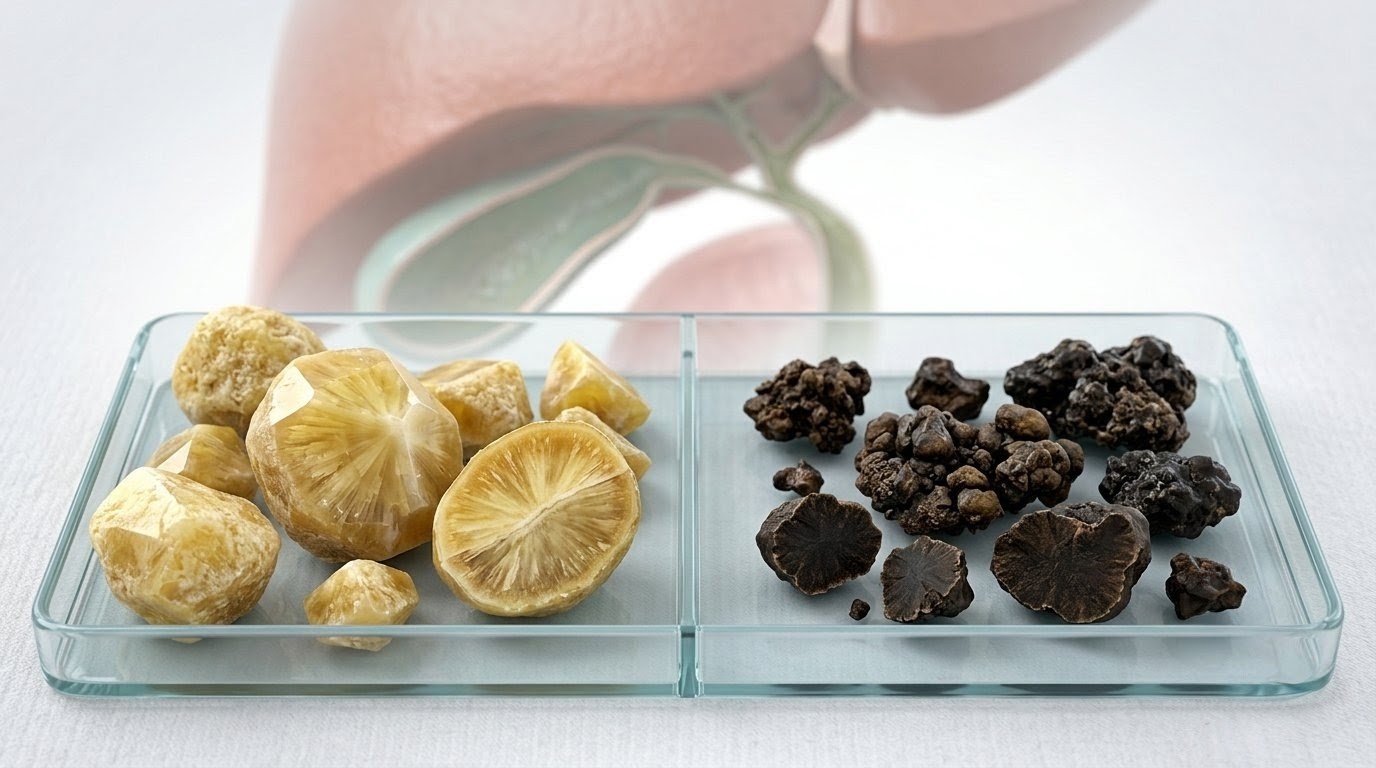
There are two main types:
Cholesterol Gallstones
These are mainly formed from cholesterol that has hardened inside the bile.
Pigment Gallstones
These darker stones mainly form from a substance called bilirubin, which is produced when the body breaks down red blood cells.
Knowing the type matters because gallstones do not all develop for exactly the same reason.
Symptoms of Gallstones
Here is something many people do not realise:
You can have gallstones without knowing it.
Gallstones that do not block the bile ducts may cause no symptoms at all. These are often called silent gallstones and may not need treatment.
Problems usually begin when a stone moves and blocks the normal flow of bile.
Possible gallstone symptoms include:
- Sudden pain in the upper right side of the abdomen
- Pain in the upper middle abdomen
- Pain that may continue for more than 30 minutes or several hours
- Nausea
- Vomiting
- Pain spreading towards the back or right shoulder
- Discomfort after certain meals
Gallstone attacks can sometimes occur after heavier meals.
When Should You Seek Urgent Medical Care?
Get medical attention promptly if abdominal pain is associated with:
- Fever or chills
- Yellow skin or eyes (jaundice)
- Severe or persistent abdominal pain
- Repeated vomiting
- Dark urine or unusually pale stools
These can indicate a blockage, infection, gallbladder inflammation or another complication.
What Causes Gallstones?
This is the most important part.
Doctors do not always know exactly why one person develops gallstones while another does not. However, several mechanisms are clearly linked with stone formation.
1. Too Much Cholesterol in the Bile
One of the most common causes of gallstones involves cholesterol.
Your bile contains substances that normally help keep cholesterol dissolved.
But when the liver releases more cholesterol than the bile can keep dissolved, the extra cholesterol can begin forming crystals.
Those crystals may gradually grow into cholesterol gallstones.
Think of it like adding too much sugar to a small glass of water—the extra amount eventually stops dissolving properly.
2. Too Much Bilirubin
Another reason gallstones can develop is excess bilirubin.
Bilirubin is produced naturally when the body breaks down old red blood cells.
Certain medical conditions can cause bilirubin levels in bile to increase. These include some blood disorders, liver disease and infections involving the biliary system.
When there is too much bilirubin, it can contribute to the development of pigment gallstones.
3. The Gallbladder Does Not Empty Properly
Your gallbladder is supposed to squeeze and release bile.
If it does not empty fully or frequently enough, bile may remain inside for longer and become highly concentrated.
Concentrated bile makes it easier for substances inside it to form crystals and eventually stones.
So gallstones are not caused only by what is present in bile. How well the gallbladder empties also matters.
Who Is More Likely to Develop Gallstones?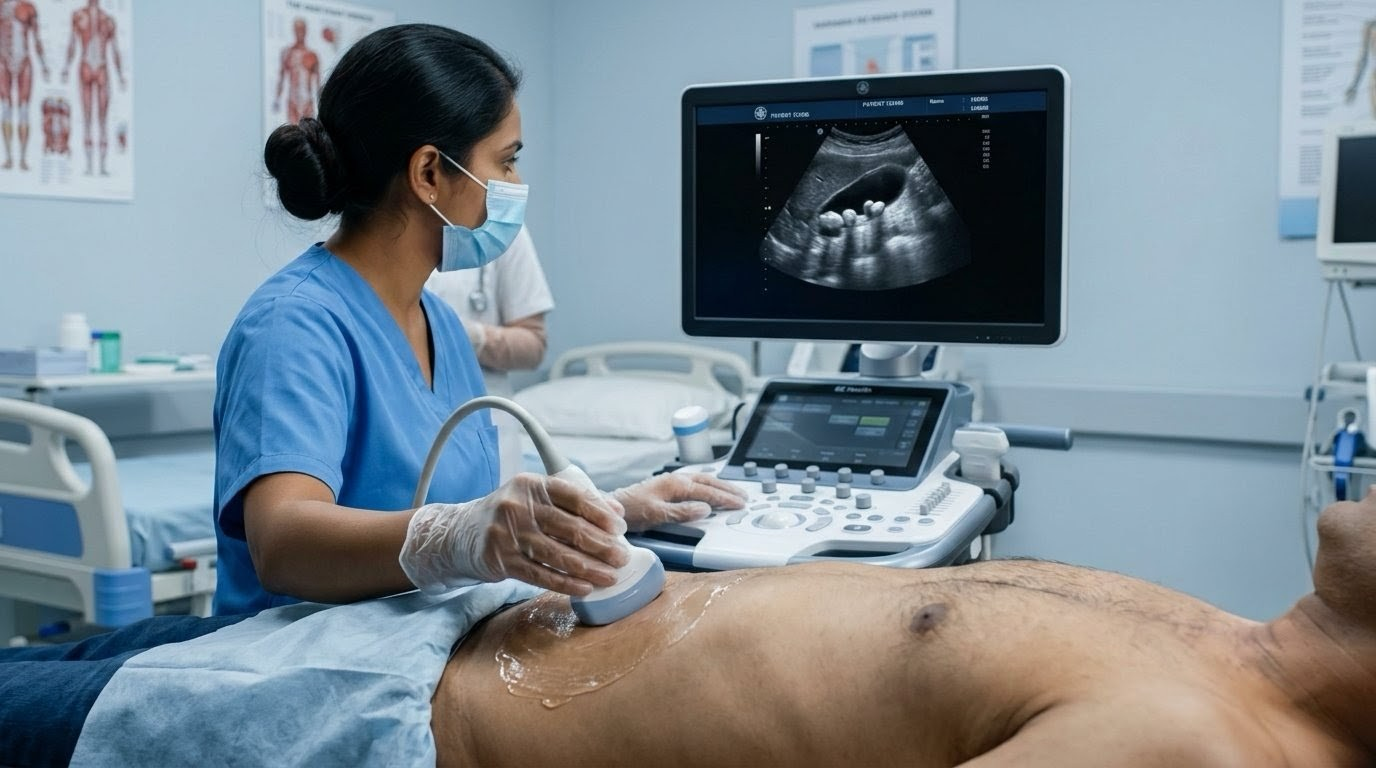
Certain factors can increase a person's chances of developing gallbladder stones.
These include:
Being Overweight or Living With Obesity
Excess body weight is associated with an increased risk of gallstones.
Losing Weight Very Quickly
Surprisingly, rapid weight loss can also raise the risk of gallstone formation. This is one reason extreme crash diets should not be treated as a harmless shortcut.
Being Female
Women have a higher risk of developing gallstones than men.
Pregnancy
Hormonal changes during pregnancy can increase gallstone risk.
Increasing Age
Gallstones become more common with age, particularly after 40.
Family History
Having close family members with gallstones may increase your likelihood of developing them.
Diabetes
People with diabetes may have a higher risk.
Certain Blood Disorders
Conditions that cause increased breakdown of red blood cells may raise bilirubin levels and increase the chance of pigment stones.
Liver Disease
Some forms of liver disease are also associated with gallstones.
Certain Digestive Conditions
Conditions affecting normal digestion or bile handling, including Crohn's disease in some patients, may increase risk.
Having one or more risk factors does not mean that you will definitely develop gallstones.
Does Eating Fat Cause Gallstones?
It is too simple to say, “You ate fatty food, so you developed gallstones.”
Gallstone formation is influenced by several factors, including bile chemistry, body weight, genetics, age, hormones and how well the gallbladder empties.
A diet high in fat and low in fibre may be associated with increased risk, but diet is only part of the picture.
A separate article should cover foods to eat with gallstones, foods that may trigger symptoms and a gallbladder-friendly diet, rather than mixing all of that into the causes section here.
How Are Gallstones Diagnosed?
If your symptoms suggest gallstones, your doctor may first ask about your pain, medical history, eating pattern and previous health problems.
A physical examination may then be performed.
Ultrasound
An abdominal ultrasound is commonly used and is considered the best imaging test for finding gallstones in the gallbladder.
Blood Tests
Blood tests can help identify signs of:
- Infection
- Inflammation
- Liver problems
- Bile duct obstruction
- Pancreatic complications
Other Tests
Depending on the situation, doctors may use:
- CT scan
- MRI or MRCP
- HIDA scan
- ERCP when a stone in the common bile duct is suspected or requires treatment
The exact investigation depends on your symptoms and clinical findings.
Treatment for Gallstones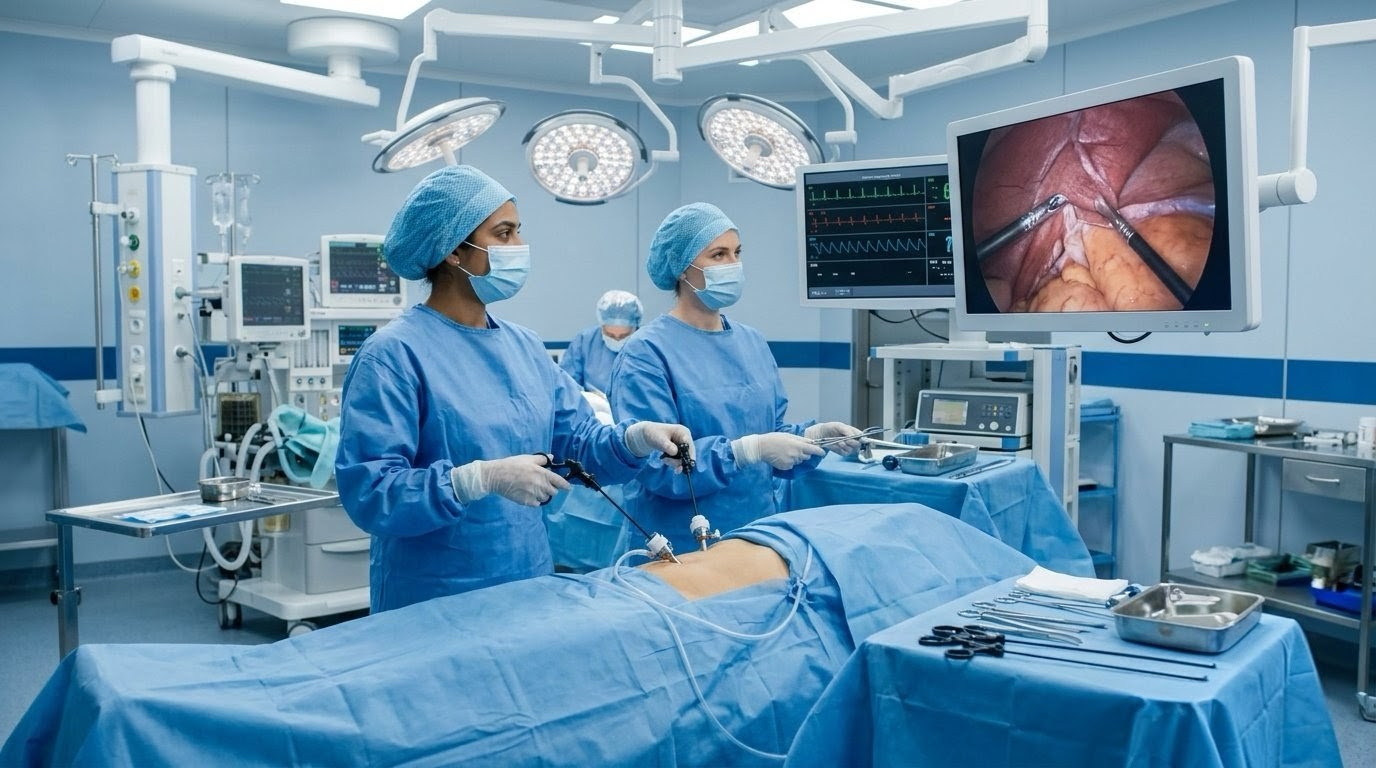
Treatment depends mainly on whether the stones are causing problems.
Silent Gallstones
If gallstones are discovered accidentally and are causing no symptoms, treatment may not be necessary in many cases.
Symptomatic Gallstones
When gallstones repeatedly cause pain or complications, the usual definitive treatment is removal of the gallbladder, known as a cholecystectomy.
The operation is often performed using laparoscopic gallbladder surgery, which uses small incisions.
Stones in the Common Bile Duct
When a gallstone becomes trapped in the common bile duct, an ERCP procedure may be used to remove it.
Medicines that dissolve certain cholesterol stones exist, but they are used only in selected situations and may require a long period of treatment.
Treatment should therefore be chosen after proper evaluation rather than attempting to “flush out” gallstones using unproven home remedies.
Recovery After Gallstone Surgery
Recovery depends on the type of surgery, the patient's overall health and whether complications were present before treatment.
After laparoscopic gallbladder removal, patients are usually encouraged to gradually return to normal movement and follow their surgeon's advice regarding food, wound care, exercise and work.
The gallbladder is not essential for survival. After it is removed, bile continues to travel from the liver into the intestine rather than being stored in the gallbladder.
Do not compare your recovery with another patient's healing time can vary.
What Happens If Gallstones Are Ignored?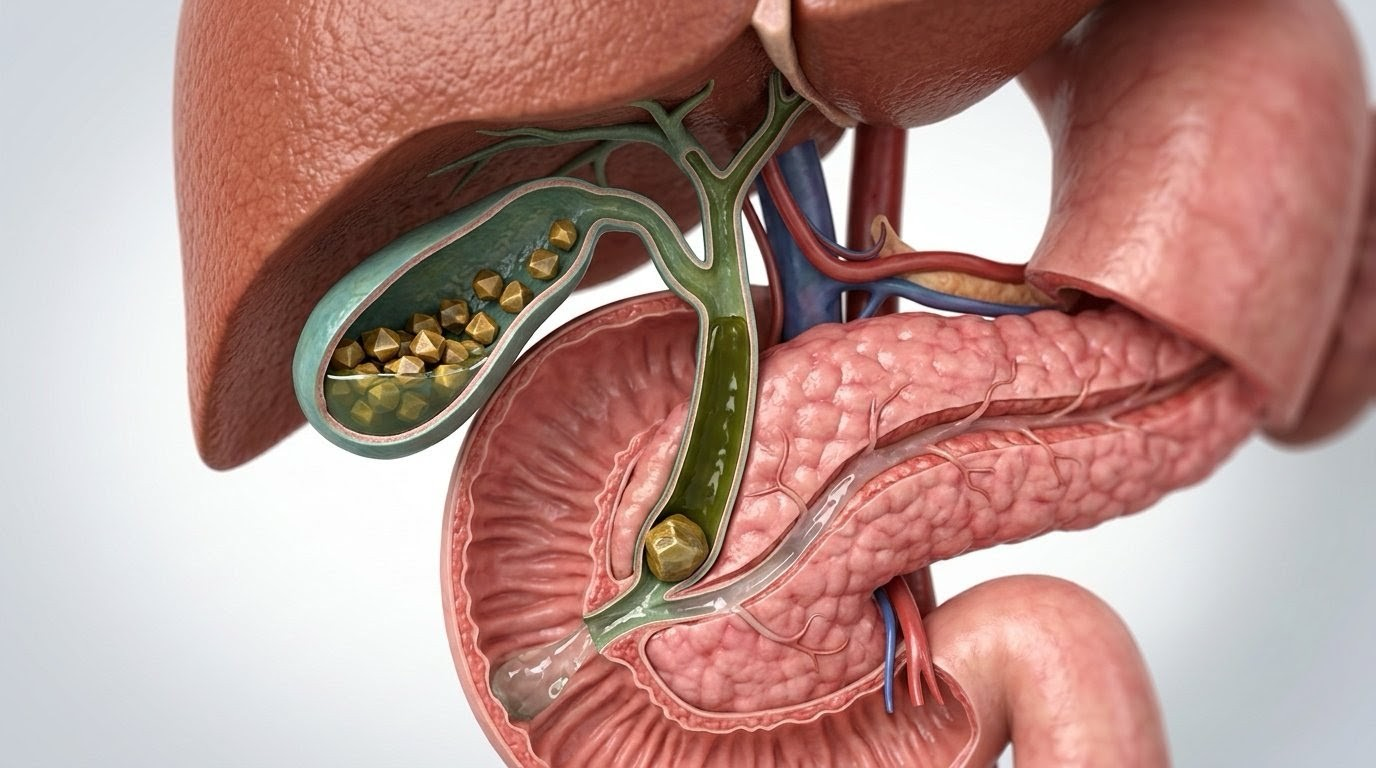
Many silent gallstones never cause problems.
But symptomatic stones or stones that block a duct can sometimes lead to serious complications.
Possible gallstone complications include:
Cholecystitis
A blocked gallbladder can become inflamed or infected, causing severe pain and fever.
Jaundice
A stone blocking bile flow may cause bilirubin to build up, leading to yellowing of the eyes or skin.
Cholangitis
An obstructed bile duct can sometimes become infected and require urgent medical treatment.
Gallstone Pancreatitis
A stone can block the area where the pancreatic duct drains, leading to inflammation of the pancreas. Pancreatitis can cause severe abdominal pain and may require hospital treatment.
This is why repeated gallstone attacks should not simply be ignored.
Benefits of Timely Gallstone Treatment
When treatment is actually required, dealing with symptomatic gallstones can help:
- Control repeated gallbladder attacks
- Treat or prevent continuing obstruction
- Reduce the risk of certain complications
- Address gallbladder inflammation
- Restore comfort during everyday activities
- Prevent repeated emergency visits in patients with recurrent symptoms
The goal is not to operate on every person who has a stone.
The goal is to identify which patients need treatment and which patients can safely be observed.
Do Not Ignore Repeated Gallbladder Pain
One episode of abdominal pain can have many possible causes.
But if you repeatedly experience upper-right abdominal pain, nausea, vomiting or pain after meals, especially when gallstones have already been found, it is worth getting properly evaluated.
Patients looking for assessment of gallstones in Visakhapatnam can consult Dr. Naveen Kumar Anem, MBBS, DNB (General Surgery), FMAS, FIAGES, Laparoscopic & GI Surgeon, to understand their diagnosis and whether observation, further testing or surgical treatment may be appropriate.
Call to Action
Do gallstones keep interrupting your meals, sleep or daily routine?
Instead of repeatedly managing the pain without knowing why it is happening, get the gallbladder and bile ducts properly evaluated.
Early diagnosis can help determine whether your stones simply need observation or whether treatment is required to prevent further problems.
Book Your Consultation Today
Medical Review
Add this statement after the doctor has reviewed and approved the final article:
✅ Medically Reviewed by Dr. Naveen Kumar Anem
MBBS, DNB (General Surgery), FMAS, FIAGES
Laparoscopic & GI Surgeon
This article is intended for general patient education. It does not replace an examination, diagnosis or personalised medical advice from a qualified healthcare professional.